
Search Dallas County Divorce Decrees
Dallas County divorce decrees are filed with the District Clerk's office at 600 Commerce Street in downtown Dallas. The District Clerk keeps all family law records for the county, including divorce cases going back to 1846. Dallas County is the second most populous county in Texas, covering the city of Dallas and dozens of surrounding communities. Online case search is available through the county's Tyler Technologies Odyssey portal, and in-person and mail requests are also accepted. The District Clerk handles all divorce filings, copies, and certified records for the entire county.
Dallas County Overview
Dallas County District Clerk
The Dallas County District Clerk manages all divorce records for the county. Felicia Pitre serves as District Clerk as of the most recent records. The office handles a large volume of cases across multiple family district courts. Staff in the Family and Civil Division assist with records requests, filings, and certified copies. The main office is located at 600 Commerce Street in the heart of downtown Dallas.
Dallas County is enormous. It covers the city of Dallas along with Garland, Mesquite, Irving, Carrollton, Grand Prairie, and many other communities. Every divorce filed by residents of these cities goes through the Dallas County District Clerk. The office handles both new filings and requests for records from cases dating back many decades. Historical records going back to 1846 are available. Microfilm covers older cases. Records from around 1980 forward are in the digital system.
| Office | Dallas County District Clerk - Family and Civil Division |
|---|---|
| Address | 600 Commerce Street Dallas, TX 75202 |
| Phone | 214-653-7421 |
| Hours | Monday through Friday, 8:00 AM to 4:30 PM |
| Website | dallascounty.org/departments/districtclerk |
Note: The Dallas County Clerk at the same address handles property records, marriage licenses, and vital records but does NOT handle divorce records. For divorce decrees, go to the District Clerk.
How to Search Dallas County Divorce Records
Dallas County offers several ways to search for divorce records. The primary online tool is the Dallas County Odyssey Portal, a Tyler Technologies system that gives 24/7 public access to case information. You can search by party name, case number, attorney, or date range. Results show the case style, filing date, court assignment, case type, and status. Guest access is available without registration, though registered users get extra features like case alerts and saved searches.
A separate system at dallascal.ci.dallas.tx.us provides access to civil and family case records with document purchasing options. You can buy and download documents as PDFs through this system. Secure payment by credit card is required. The statewide re:SearchTX portal also includes Dallas County case data and is another option for basic case lookups.
For in-person searches, go to 600 Commerce Street during business hours. Public access terminals are available in the office for self-service lookups. Staff can also perform name searches for $5.00 per name, per 10-year period. To search records by mail, write to the Dallas County District Clerk, 600 Commerce Street, Room 105, Dallas, TX 75202. Include both parties' names, the cause number or approximate year, and a self-addressed stamped envelope.
E-filing is mandatory for all civil cases in Dallas County. Attorneys and self-represented litigants can file through eFileTexas.gov. Standing orders apply automatically to all family law cases and govern things like finances and children during the case.
Dallas County Court Records Portal
The Dallas County Odyssey Portal gives the public free access to case information including divorce records filed in Dallas County courts. You can search by name, case number, or attorney without creating an account.
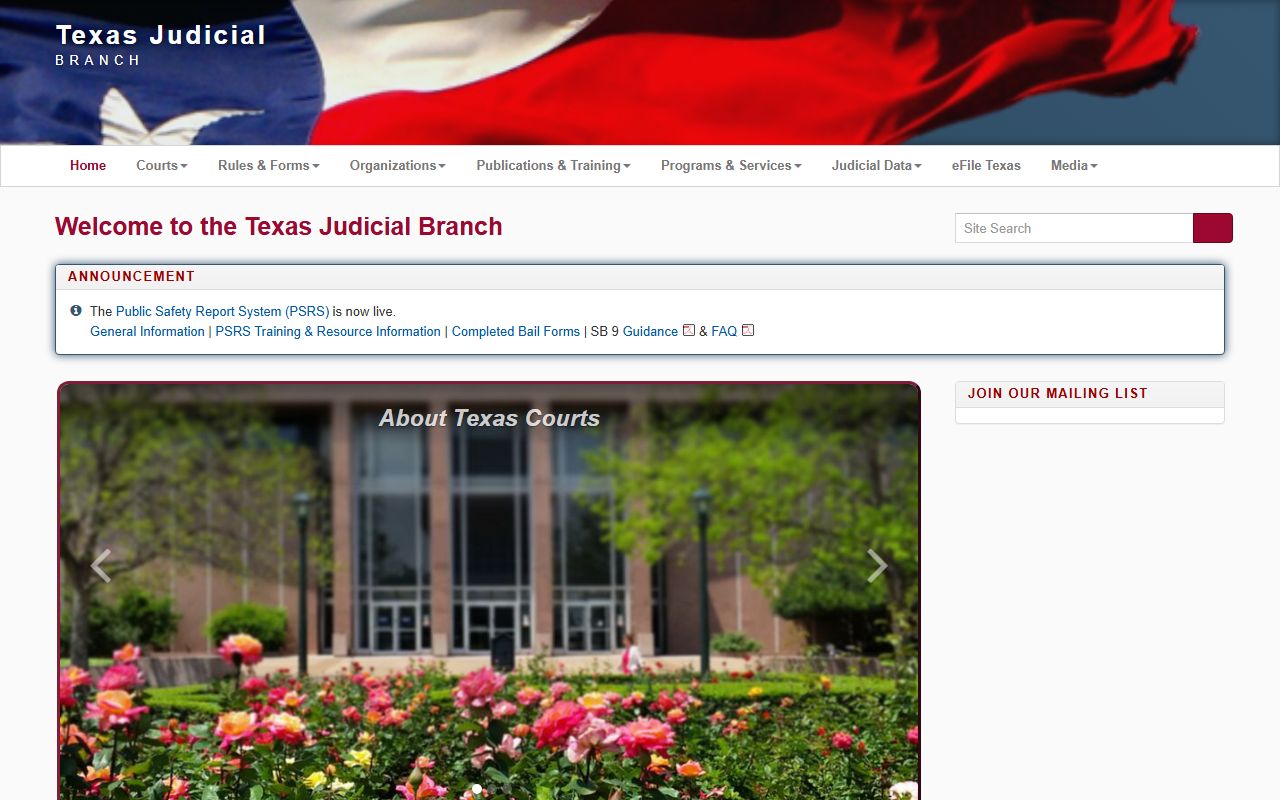
The portal displays case details including party names, filing dates, docket entries, and case status. Document images can be purchased online through the portal's secure payment system.
Dallas County Divorce Fees
Dallas County has a published fee schedule for divorce filings. Filing a basic divorce case costs about $297.00 as a base fee, with additional statutory fees for court facilities, security, and the law library bringing the total higher. Cases involving children may have additional fees. The fee schedule is posted at dallascounty.org. Contact the clerk at 214-653-7421 to confirm current amounts before filing.
Copy fees in Dallas County are $1.00 per page for plain copies and $1.00 per page plus $5.00 per document for certified copies. Staff search fees are $5.00 per name per 10-year period. Payment methods accepted at the window include cash, check, money order, and credit cards including Visa, MasterCard, and Discover. Make checks payable to the Dallas County District Clerk.
Fee waivers are available for people with low income. File a Statement of Inability to Afford Payment of Court Costs under Texas Rule of Civil Procedure 145. The form is at txcourts.gov/rules-forms. You must provide documentation showing your income and expenses. The court reviews your application and decides whether to grant the waiver. If approved, court fees are waived for the duration of your case.
Dallas County fees can change. Always verify the current fee schedule at dallascounty.org or by calling 214-653-7421 before submitting any filings or copy requests.
Filing for Divorce in Dallas County
Dallas County divorce cases are governed by Texas state law. The residency requirement under Texas Family Code section 6.301 applies: at least one spouse must have lived in Texas for six months and in Dallas County for at least 90 days before the petition is filed. People who recently moved to the Dallas area should check their move-in dates carefully before filing.
Most Dallas County divorces are filed on the no-fault ground of insupportability under Texas Family Code section 6.001. This ground says the marriage cannot continue because of conflict and there is no reasonable expectation of reconciliation. You do not have to prove the other spouse did anything wrong. Fault-based grounds like cruelty, adultery, felony conviction, abandonment, living apart for three or more years, and confinement in a mental hospital are also recognized but are used less often.
After the petition is filed, Texas law requires a mandatory 60-day waiting period under Texas Family Code section 6.702. The court cannot finalize the divorce until 60 days have passed from the filing date. Family violence cases may qualify for an exception. Once the waiting period is over, agreed cases can be scheduled for a final hearing quickly. Contested cases may involve discovery, mediation, and trial, which can take much longer.
Texas is a community property state. Under Texas Family Code Chapter 7, the court divides marital property in a just and right manner. Property and debts acquired during the marriage are generally community property split between spouses. Separate property, which is what you owned before marriage or received as a gift or inheritance during marriage, stays with the original owner if it was kept separate. Spousal maintenance rules are in Texas Family Code Chapter 8.
Standing Orders: Dallas County has standing orders that automatically take effect when a divorce case is filed. These orders govern finances, children, and other matters during the pendency of the case. Violating them can have serious consequences.
What Dallas County Divorce Records Contain
A Dallas County divorce record includes several key documents. The Final Decree of Divorce is the main one. Signed by the judge, it ends the marriage and sets all the terms: property and debt division, child conservatorship, the possession and access schedule, child support, and any spousal maintenance ordered. Child support follows guidelines in Texas Family Code Chapter 154. Most people need a certified copy of the Final Decree for name changes, Social Security updates, and similar official purposes.
The rest of the case file contains the Original Petition for Divorce, the citation served on the other party, financial affidavits, any temporary orders signed during the case, mediated settlement agreements if applicable, and the standing order. If the case went to trial, the file also includes exhibits and hearing transcripts. All of these are stored at the District Clerk's office at 600 Commerce Street.
Dallas County divorce records are generally public. Anyone can request copies. Some financial documents attached to sealed motions are restricted. Juvenile records, adoption files, and mental health records are not available to the general public. The clerk at the FAQs page at dallascounty.org answers common questions about record access and copy procedures.
Legal Help in Dallas County
Dallas County has a robust network of legal resources. TexasLawHelp.org provides free guides, court forms, and self-help instructions for people handling their own divorce. The site covers everything from filing the petition to getting the final decree signed. It is especially useful for uncontested cases.
The Dallas Bar Association offers a lawyer referral service for people who need professional help. The State Bar of Texas also has a referral service at texasbar.com. Lawyers in the referral program offer initial consultations at a fixed rate. Lone Star Legal Aid serves low-income residents in the Dallas area and may be able to help with family law cases. Call (800) 733-8394 for information about eligibility and services.
Court forms are available at the courthouse and at txcourts.gov/rules-forms. For child support enforcement, the Texas Attorney General's office at texasattorneygeneral.gov/child-support provides free services to custodial parents. The Texas State Law Library maintains a divorce research guide with links to forms, statutes, and local rules.
Note: Dallas County District Clerk staff cannot give legal advice. They can tell you what to file and what the fees are, but for advice on your specific situation you need to consult a licensed attorney.
Cities in Dallas County
Dallas County is home to many large cities. All divorce cases from these communities go through the Dallas County District Clerk in downtown Dallas.
Other cities and communities in Dallas County include Rowlett, Duncanville, Lancaster, DeSoto, Cedar Hill, Balch Springs, Farmers Branch, Addison, and many more. All family law filings from these areas go through the Dallas County District Court system.
Nearby Counties
Dallas County is surrounded by several other major North Texas counties. Nearby counties include Collin County, Denton County, Tarrant County, Rockwall County, Kaufman County, Ellis County, and Johnson County. File in the county where you or your spouse has lived for at least 90 days.