
Access Ellis County Divorce Decrees
Ellis County divorce decree records are maintained by the District Clerk in Waxahachie, the county seat. The District Clerk is the official keeper of all family law case files, including divorce petitions, agreed decrees, and final court orders. Ellis County is part of the Dallas-Fort Worth metro area and has seen strong population growth in recent years. Online case search is available for Ellis County. You can also request records in person at the courthouse or by mail. Certified copies of the Final Decree of Divorce are issued only from the District Clerk's office.
Ellis County Overview
Ellis County District Clerk Office
The Ellis County District Clerk manages all court records in the county, including family law and divorce filings. The office is at the Ellis County Courthouse in Waxahachie. Staff can look up cases by name or cause number and provide copies of divorce decrees and related documents. Ellis County has experienced rapid growth as part of the DFW metro, so the court system handles a significant caseload.
The District Clerk handles every step of a divorce case file, from the original petition through temporary orders to the final decree. All documents filed with the court become part of the permanent record. Certified copies of the Final Decree of Divorce are available from this office only. These are required for name changes, account updates, and property transfers. Plain copies are less expensive if you do not need the certification seal.
| Office | Ellis County District Clerk |
|---|---|
| Address | Ellis County Courthouse 109 S. Jackson St. Waxahachie, TX 75165 |
| Phone | (972) 825-5091 |
| Hours | Monday through Friday, 8:00 AM to 5:00 PM |
| Website | co.ellis.tx.us |
How to Search Ellis County Divorce Records
Ellis County offers online case search. You can use the statewide re:SearchTX portal to search for Ellis County cases by party name or cause number. The results show basic case details including party names, filing date, case type, and status. For full documents or certified copies, you need to contact the District Clerk directly.
In-person visits to the Ellis County Courthouse at 109 S. Jackson St. in Waxahachie allow you to view case files and request copies. Bring your ID and the full name of one or both spouses, or the cause number if you have it. Same-day service is generally available for most records. Certified copies require a per-page fee plus a certification charge.
Mail requests are accepted. Write to the Ellis County District Clerk with the names of the parties, approximate filing year, the type of copy you need, and your mailing address. Enclose payment for estimated fees. Include a self-addressed stamped envelope if you want copies mailed back. For free help and self-study guides on Texas divorce, visit TexasLawHelp.org and txcourts.gov.
Filing for Divorce in Ellis County
Divorce in Ellis County follows Texas state law. To file here, at least one spouse must have lived in Texas for six months and in Ellis County for at least 90 days under Texas Family Code Section 6.301. Many DFW-area residents file in Ellis County when they live in communities like Waxahachie, Ennis, Midlothian, or Red Oak.
No-fault divorce is available under Texas Family Code Section 6.001 on grounds of insupportability. This is the most common option. You state that the marriage cannot continue due to conflict or discord with no reasonable expectation of reconciliation. You do not need to prove that your spouse did anything wrong. Fault-based grounds like cruelty and adultery are also recognized in Texas and can sometimes affect property division or spousal maintenance terms.
After filing the Original Petition for Divorce, a mandatory 60-day waiting period applies under Texas Family Code Section 6.702. This wait begins the day the petition is filed. After those 60 days, if both parties agree on all terms, an agreed decree can be submitted to the judge for signature. Contested divorces in Ellis County may go to mediation or a bench trial, extending the timeline considerably.
Community property rules apply to property division under Texas Family Code Chapter 7. The court divides marital property in a just and right manner. Separate property is what each spouse owned before marriage or received as gifts and inheritances. When real estate or retirement accounts are involved, additional documents like a Qualified Domestic Relations Order or a deed transfer may be needed.
What Ellis County Divorce Records Include
A divorce case file in Ellis County can include a range of documents. The Original Petition for Divorce is first. Temporary orders may follow. The final decree closes the case and sets all terms. The decree covers property division, debt assignment, conservatorship if children are part of the case, a possession schedule, child support under Texas Family Code Chapter 154, and any agreed or ordered maintenance.
People often need certified copies of the decree for name changes at the Social Security Administration and DMV, to update bank accounts and retirement plans, and to handle deeds for real property. You can also use it to verify your marital status for legal or administrative purposes. Get at least two certified copies when the case is finalized. They cost more over time if you have to order them again later.
Most divorce records in Ellis County are public. You do not need to be a party to the case. Some sealed financial documents or materials involving minors may have limited access. Ask the clerk what is open before you submit your request.
Legal Help in Ellis County
Legal aid in the DFW area includes services for Ellis County residents. Lone Star Legal Aid handles family law cases for qualifying low-income clients. Call (800) 733-8394 or visit lonestarlegal.org. Legal Aid of NorthWest Texas serves parts of the Dallas metro area as well. The State Bar of Texas offers a referral service at (800) 252-9690 and at texasbar.com.
For self-help guides and free information on Texas divorce law, visit TexasLawHelp.org. Official court forms are at txcourts.gov. If you qualify, ask the clerk about the Statement of Inability to Afford Payment of Court Costs to waive filing fees.
Texas Courts and Divorce Filings
The Texas Courts website provides forms and procedural guides that apply to all Texas divorce filings, including those in Ellis County.
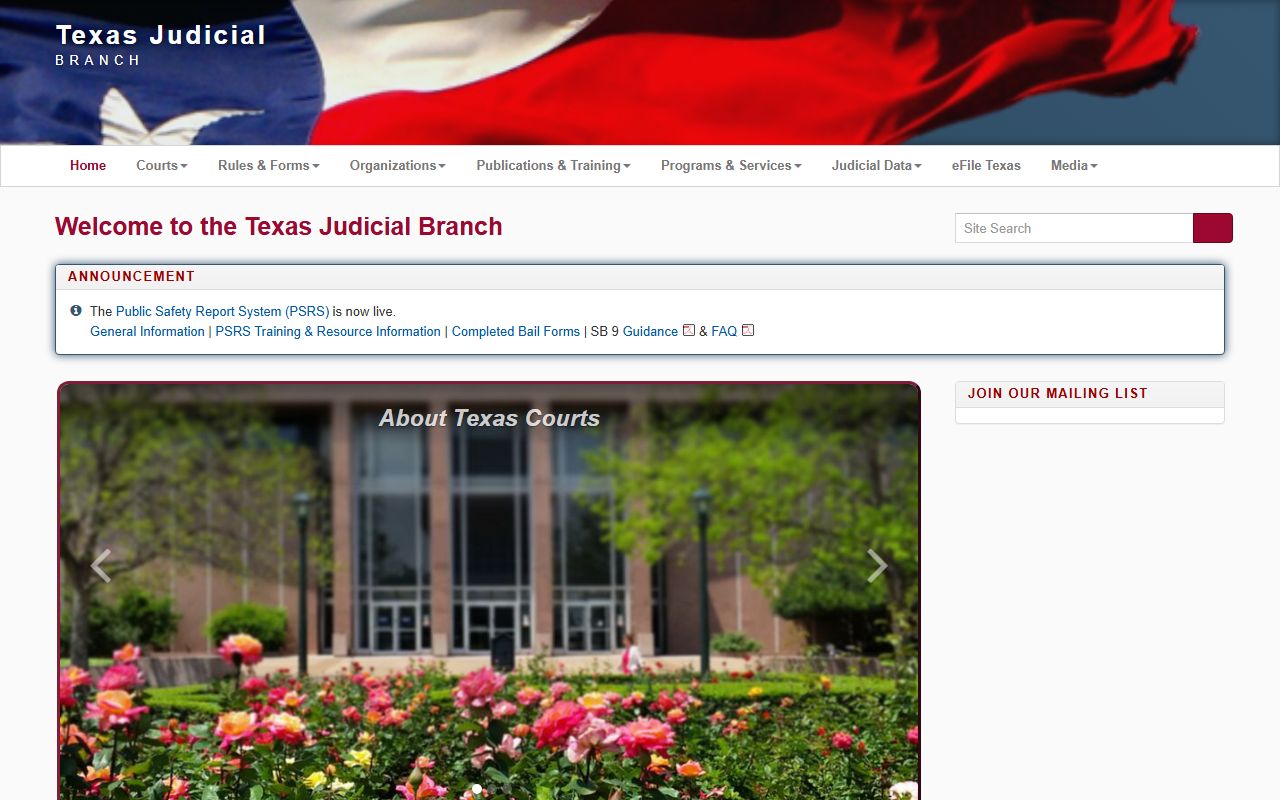
Ellis County divorce records are kept at the courthouse in Waxahachie, Texas, and managed by the District Clerk.
Cities in Ellis County
Ellis County includes several communities in the DFW metro area. Waxahachie, Ennis, Midlothian, Red Oak, and Waxahachie are major towns. None of the cities in Ellis County reach the population threshold for a dedicated city page. All divorce filings for Ellis County residents go to the District Clerk in Waxahachie.
Nearby Counties
Ellis County is part of the greater Dallas area. It borders several other DFW-area counties. Make sure to file in the county where you have lived for at least 90 days before you file the petition.
Neighboring counties include Dallas County, Tarrant County, Johnson County, Hill County, Navarro County, and Kaufman County.