
Tarrant County Divorce Decree Records
Tarrant County divorce decree records are maintained by the District Clerk's office in Fort Worth, Texas. Tarrant County is the third most populous county in Texas and home to Fort Worth, Arlington, Mansfield, Flower Mound, and many other cities. The District Clerk handles all family law filings for the county, including divorce petitions, final decrees, and all related case documents. If you need to search for a divorce case or request a certified copy of a final decree, the Tarrant County District Clerk is your official source. This page covers how to search, fees, the filing process, and legal resources available in the county.
Tarrant County Overview
Tarrant County District Clerk
The Tarrant County District Clerk is the official custodian of all district court records in the county, including divorce decrees. The clerk's office maintains case files for multiple family district courts that handle divorce, custody, and other family law matters. The main office is at 100 N. Calhoun St. in Fort Worth, and there is a dedicated Family Law Center location where most family court matters are processed. The District Clerk for Tarrant County is Thomas A. Wilder.
Tarrant County has one of the busiest court systems in Texas. It covers Fort Worth, Arlington, Mansfield, Flower Mound, and dozens of other communities. Multiple family district courts operate to handle the volume of cases filed each year. The District Clerk's office has several locations to serve the county's population, and there are different phone numbers depending on which type of records you need. For divorce decree copies, the family law division at (817) 884-1265 is the right contact. For general district clerk inquiries, call (817) 884-1574.
| Office | Tarrant County District Clerk - Family Law Division |
|---|---|
| Family Law Center | 200 E. Weatherford St., Third Floor Fort Worth, TX 76196 |
| Main Office | 100 N. Calhoun St. Fort Worth, TX 76196 |
| Family Law Phone | (817) 884-1265 |
| Main Phone | (817) 884-1574 |
| Records Email | TCDCRecords@tarrantcountytx.gov |
| Hours | Monday through Friday, 8:00 AM to 5:00 PM |
| Website | tarrantcountytx.gov |
Search Tarrant County Divorce Decrees
Tarrant County has an online search portal for district court records. You can search by party name or case number and view basic case information, docket entries, and case status. The county also participates in the statewide re:SearchTX system, which allows free searches across Texas district courts. Both are good starting points before contacting the clerk's office for copies.
To get copies of a Tarrant County divorce decree, you have three main options. You can come in person to the Family Law Center at 200 E. Weatherford St., Third Floor, in Fort Worth. You can mail a written request to that same address, Attention: Family Court Records. Or you can email your request to TCDCRecords@tarrantcountytx.gov and include the names of the parties. If you mail a request, include a self-addressed stamped envelope for certified copies, and provide a valid email address for non-certified electronic copies.
To search or request copies, you need the case number. Without one, you will be charged a $5 records research fee. To avoid this, search by name online first to find the case number before you contact the clerk's office. The office does not accept personal checks. Include a money order, cashier's check, or cash for in-person visits.
[Lead-in: The Tarrant County District Clerk Family Law Division page details the process for requesting copies of divorce decrees and other family court records in Fort Worth.]
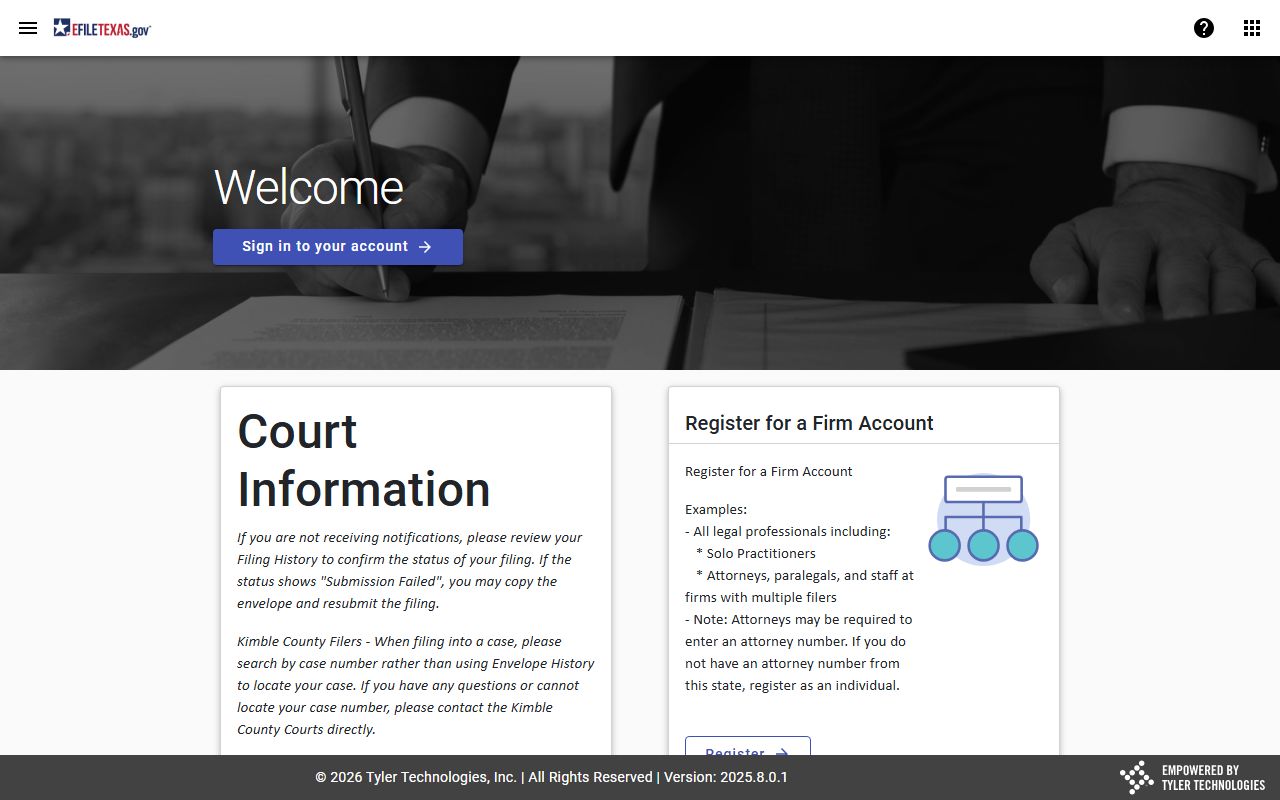
Tarrant County supports electronic filing through eFileTexas and online record searches, making it easier to handle divorce matters without multiple courthouse trips.
Tarrant County Divorce Decree Fees
Tarrant County has a published fee schedule for the District Clerk. Filing a divorce without children costs around $300 to $350, and cases involving children run slightly higher. These fees include various statutory surcharges for court facilities, law library, and security. The Domestic Relations Office charges a separate $25 fee for records requests, regardless of the number of pages, and requests can take up to five days to process.
For copies of court records from the District Clerk's Family Law division, the fees are as follows:
- Non-certified paper copies: $1 per page
- Non-certified electronic copies: $1 for the first 10 pages, then $0.10 per additional page
- Certified paper copies: $1 per page plus a $5 certification/seal fee
- Certified electronic copies: $1 for the first 10 pages, $0.10 per additional page, plus $5 certification fee
- Records research fee (if no case number provided): $5
The clerk does not accept personal checks and does not ship via FedEx. For mail requests, use a standard USPS envelope with prepaid return postage for certified copies. For electronic copies, include your email address in the request. Fee waivers are available for people who cannot afford court costs. File a Statement of Inability to Afford Payment of Court Costs under Texas Rule of Civil Procedure 145. Forms are at txcourts.gov.
Note: Fee amounts may change. Confirm current fees with the Tarrant County District Clerk's family law division at (817) 884-1265 before mailing payment.
Divorce Process in Tarrant County
Divorce cases in Tarrant County go through one of several family district courts in Fort Worth. The process follows Texas state law under Texas Family Code Chapter 6. Every filing, from the original petition through the final decree, creates records maintained by the District Clerk at the Family Law Center in Fort Worth.
Before filing, confirm the residency requirement is met. Under Texas Family Code Section 6.301, at least one spouse must have lived in Texas for six months and in Tarrant County for 90 days before the petition can be filed. Fort Worth, Arlington, Mansfield, Flower Mound, and all other communities in Tarrant County count toward the 90-day residency requirement.
Texas allows no-fault divorce. Most people file on the ground of insupportability under Texas Family Code Section 6.001, which means the marriage has broken down with no realistic chance of reconciliation. Proving fault is not required. Fault-based grounds such as cruelty, adultery, abandonment, or felony conviction are also available under the Family Code if they apply to the case.
After filing, there is a mandatory 60-day waiting period before the court can grant a divorce. This comes from Texas Family Code Section 6.702. Exceptions exist for domestic violence situations. Agreed divorces can proceed after the waiting period ends. Contested cases, which are more common in a large county like Tarrant, often go through mediation before a judge decides. Property divides under community property rules in Texas Family Code Chapter 7, with the court dividing marital assets in a just and right manner. Spousal maintenance rules are set out in Texas Family Code Chapter 8.
What Tarrant County Divorce Files Contain
A Tarrant County divorce case file held at the District Clerk's office includes the original petition, the citation showing the other party was served, any Waiver of Service, temporary orders covering custody or property during the case, and financial affidavits. Settlement agreements and any mediated agreements reached during the case are also part of the record. The file grows from first filing to final decree and holds everything the court considered.
The Final Decree of Divorce is what most people request. It is the signed court order that legally ends the marriage. The decree spells out all the terms: who gets what property, who has conservatorship of the children, the possession and access schedule, child support amounts, and any spousal maintenance ordered. Certified copies of the decree are needed for name changes, updating Social Security records, real estate closings, and handling financial accounts. You may also need it to prove marital status in future legal proceedings.
Most Tarrant County divorce records are public. You do not have to be a party to the case to request copies. Some materials may be restricted. Financial source documents like tax returns are sometimes sealed. The Domestic Relations Office notes that it does not disclose sensitive identifying information such as Social Security numbers, addresses, phone numbers, or places of employment. For a simple verification that a divorce occurred in Texas, the Texas DSHS Vital Statistics office issues verification letters for divorces since 1968 at $20 per application.
Legal Help in Tarrant County
Tarrant County has a wide range of legal resources available. Lone Star Legal Aid serves the Fort Worth area and provides civil legal help to qualifying low-income residents, including divorce and family law cases. Their website and contact information are at TexasLawHelp.org, which also has all official court forms, self-help guides, and step-by-step instructions for people handling their own divorce cases in Tarrant County.
The Fort Worth area has many family law attorneys in private practice. The State Bar of Texas lawyer referral line at (800) 252-9690 can help you find one. Search the bar's online directory at texasbar.com. The Texas State Law Library divorce guide is a free resource that explains the process and links to all forms. Official court forms are also at txcourts.gov. For child support enforcement or modification after the decree is entered, the Texas Attorney General Child Support Division handles those matters statewide.
Cities in Tarrant County
Tarrant County includes several major cities. All divorce decree cases are filed at the Tarrant County District Court in Fort Worth, regardless of which city in the county the parties live in.
Other communities in Tarrant County include Haltom City, Euless, Bedford, Grapevine, Colleyville, Keller, Watauga, North Richland Hills, and many more. All file divorce cases through the Tarrant County District Court system.
Nearby Counties
Tarrant County is part of the Dallas-Fort Worth metroplex. If you are not sure which county handles your divorce case, confirm where you have lived for the past 90 days. You must file in the county that meets the residency requirement.