
Hood County Divorce Records
Hood County divorce decrees are filed with and maintained by the District Clerk in Granbury, Texas. The office holds all civil court records for this county southwest of Fort Worth, including divorce petitions, agreed decrees, and contested case files. You can search for a divorce case by contacting the clerk by phone or visiting the courthouse. Online access has some availability through state court portals. The District Clerk provides certified copies of final decrees for legal and personal use.
Hood County Overview
Hood County District Clerk
The Hood County District Clerk office is located in Granbury, the county seat. The office serves the 355th Judicial District and handles all civil court records, including divorce filings and decrees. Hood County is part of the Dallas-Fort Worth metro area and has seen significant population growth. The court handles a steady volume of family law cases each year.
Staff at the District Clerk's office can look up cases by party name or cause number. The office provides plain and certified copies of documents in the file. If you are not sure whether a case is in Hood County, check which county the address falls in. Granbury is the main city in Hood County.
| Office | Hood County District Clerk |
|---|---|
| Address | Hood County Courthouse 100 E. Pearl St. Granbury, TX 76048 |
| Phone | (817) 579-3233 |
| Hours | Monday through Friday, 8:00 AM to 5:00 PM |
| Website | co.hood.tx.us |
Searching Hood County Divorce Decrees
The re:SearchTX statewide portal is a good starting point for searching Hood County divorce cases. You can search by party name and see basic case details like filing date, case status, and docket activity. This is free to use and does not require a trip to the courthouse.
For a full view of the case file, or to get certified copies of the decree, you need to contact the District Clerk directly. Call (817) 579-3233 to ask about a specific case or to find out what you need to bring when you visit. Staff can search by name or cause number. Bring a photo ID when you visit in person.
Certified copies of a Final Decree of Divorce are needed for legal purposes. The clerk stamps each page to certify it as an official copy. These cost more per page than plain copies. Plain copies work for most reference purposes. You can also mail a written request with a check for the estimated fee if you cannot visit in person.
Note: Cause numbers speed up searches significantly. If you know the cause number from a previous search or legal document, bring it when you contact the clerk.
Divorce Filing in Hood County
Filing for divorce in Hood County requires that one spouse have lived in Texas for six months and in Hood County for at least 90 days. This rule is in Texas Family Code § 6.301. If you live in Granbury or elsewhere in Hood County, file with the District Clerk there.
Texas offers no-fault divorce under Texas Family Code § 6.001. The ground is insupportability, meaning the marriage has broken down due to conflict with no reasonable hope of fixing it. This is the ground used in the vast majority of Texas divorces. Fault-based grounds like cruelty or adultery are still available but less commonly pursued because they require proof and can complicate the case.
After filing, a mandatory 60-day waiting period applies under Texas Family Code § 6.702. The court cannot sign the final decree before those 60 days pass. Once the period is over, agreed divorces can be finalized quickly. Contested cases take longer due to hearings, discovery, and possible mediation.
Property is divided under community property rules in Texas Family Code Chapter 7. The court splits marital property in a manner it finds just and right. Separate property, including pre-marital assets and inheritances kept apart from marital funds, stays with the individual spouse.
What Hood County Divorce Records Show
The Final Decree of Divorce is the primary document in every completed divorce case. It names both parties, states the date the marriage ended, and sets all terms ordered by the court or agreed to by both spouses. Property and debt division is detailed in the decree. If children are involved, the decree includes conservatorship terms and a possession schedule.
Child support amounts are set under Texas Family Code Chapter 154. The standard formula is based on the paying parent's net income and the number of children. Any spousal maintenance ordered is also in the decree. The full case file at the clerk's office also includes the original petition, proof of service, temporary orders, and financial documents submitted during the case. Most records are public.
The Texas Judicial Branch provides oversight of Hood County's district court and maintains standards for all Texas civil courts, including those that hear divorce cases.
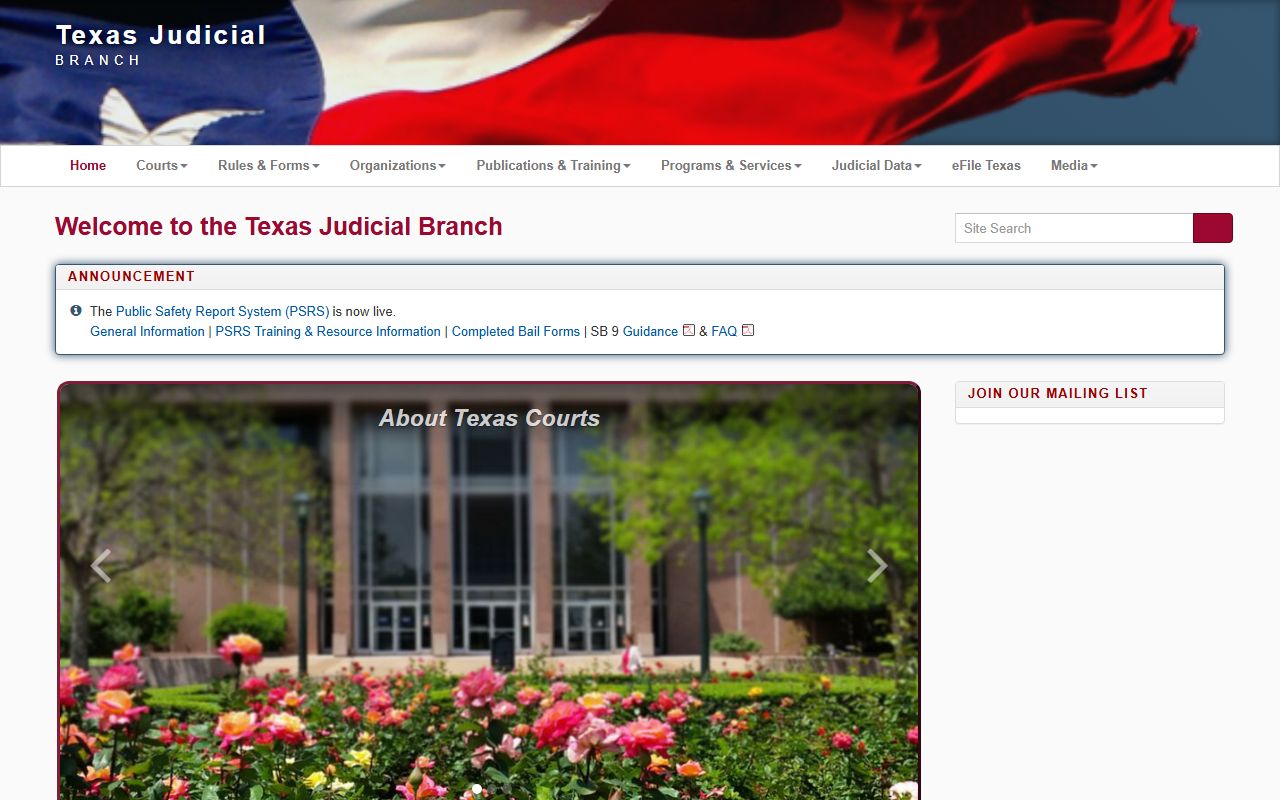
You can also find information about court forms and procedures for Hood County on the Texas Judicial Branch website.
Legal Resources in Hood County
Hood County residents who need an attorney for a divorce can use the State Bar of Texas lawyer referral service to find a licensed family law attorney in the Granbury or Fort Worth area. You can also call the State Bar at (800) 252-9690.
Free divorce guides and court forms are available at TexasLawHelp.org. This is especially helpful for people handling an agreed divorce without an attorney. Official court forms are at txcourts.gov. If you cannot afford the filing fee, the District Clerk can give you the Statement of Inability to Afford Payment of Court Costs form to request a waiver.
Cities in Hood County
Hood County includes Granbury, Acton, and several smaller communities in the DFW metro area. No city in Hood County currently meets the 100,000-population threshold for a separate city page on this site. All divorce cases for Hood County residents are handled by the Hood County District Court in Granbury.
Nearby Counties
Hood County is southwest of Fort Worth in the DFW area. Filing in the right county matters, so verify your home address before filing. You file where you have lived for the past 90 days.
Neighboring counties include Tarrant County, Johnson County, Erath County, Somervell County, and Palo Pinto County.