
Lamb County Divorce Records
Lamb County divorce decrees are kept by the District Clerk in Littlefield. If you need to find or get a copy of a divorce decree filed in Lamb County, the District Clerk's office is your primary source. You can visit in person or submit a written request by mail. The clerk maintains all dissolution of marriage case files and can help you search by party name or cause number. Online access through the statewide re:SearchTX system may also show basic case details for Lamb County cases.
Lamb County Overview
Lamb County District Clerk
The District Clerk in Lamb County holds all divorce decree records. This office handles dissolution of marriage filings, stores case files, and gives out copies when requested. The courthouse is in Littlefield, which is in the Texas Panhandle region. Staff can help you find cases by name or by cause number.
Lamb County is served by the 154th District Court. This court covers family law matters including divorce, child custody, and property division. If you or your spouse lived in Lamb County when the divorce was filed, those records will be at the Littlefield courthouse. The District Clerk keeps records going back many decades.
| Office | Lamb County District Clerk |
|---|---|
| Address | 100 E. 6th Street Littlefield, TX 79339 |
| Phone | (806) 385-4222 |
| Hours | Monday through Friday, 8:00 AM to 5:00 PM |
| Website | co.lamb.tx.us |
How to Find Lamb County Divorce Decrees
You can look up divorce records in Lamb County in a few ways. The fastest is to call the District Clerk and ask them to check by name. You can also use the statewide re:SearchTX portal, which shows case index information for many Texas counties. Some older cases may not be in the online system, so calling the office directly is a good backup.
To search in person, go to the Lamb County Courthouse in Littlefield. Bring the full name of at least one spouse and a rough idea of when the divorce was filed. The clerk can search by name or by case number if you have it. Once they find the case, you can ask for a plain copy or a certified copy of the Final Decree of Divorce.
Mail requests are also accepted. Send a written request with the names of both parties, the approximate year of filing, your return address, and a check for the copy fees. Include a self-addressed stamped envelope. The clerk will respond when the search is complete.
Tip: If you are not sure which county handled the divorce, check where each spouse lived at the time. Texas law says you file in the county where either spouse has lived for at least 90 days before filing under Texas Family Code § 6.301.
Lamb County Divorce Record Fees
Getting copies of divorce records in Lamb County costs a per-page fee. Plain (non-certified) copies run $1.00 per page. Certified copies cost $1.00 per page plus a $5.00 certification fee added to the total. These fees are set under Texas state law and are standard across most counties.
Filing for divorce in Lamb County costs around $300, though the exact amount can vary based on the type of case. Cases involving minor children may have added fees for parenting class requirements or additional filings. You can confirm the current filing fee by calling the District Clerk before you file.
People with low income can ask the court to waive filing fees. You do this by filing a Statement of Inability to Afford Payment of Court Costs. Forms are available at the courthouse or through txcourts.gov. The judge reviews the request and decides if you qualify.
Filing for Divorce in Lamb County
To file for divorce in Lamb County, at least one spouse must have lived in Texas for six months and in Lamb County for 90 days. This is the residency rule under Texas Family Code § 6.301. If you meet that requirement, you file the Original Petition for Divorce with the District Clerk in Littlefield.
Texas allows divorce on no-fault grounds. The most common is "insupportability" under Texas Family Code § 6.001. This means the marriage can no longer work because of conflict or discord, with no real chance of fixing things. You do not have to prove fault. Fault grounds like cruelty or adultery are also available if they apply.
Waiting Period: Texas law requires a 60-day waiting period after you file before a divorce can be granted. This rule is found in Texas Family Code § 6.702. There are exceptions in cases involving family violence.
Property in Texas is divided under community property rules. Under Texas Family Code Chapter 7, the court splits marital property in a fair and just way. Community property is what was acquired during the marriage. Separate property includes things owned before the marriage or received as gifts or inheritance.
Once both parties agree or the court decides all issues, the judge signs the Final Decree of Divorce. This document ends the marriage. The District Clerk files it and it becomes part of the permanent court record. Certified copies of the decree can be obtained from the clerk at any time after the divorce is final.
What Lamb County Divorce Records Include
A divorce case file in Lamb County holds several documents. The first is the Original Petition for Divorce, which starts the case. It names the parties, states the grounds, and lays out what the petitioner wants. After that come any responses, temporary orders, and agreements the parties make along the way.
The Final Decree of Divorce is the most important document. It is the signed court order that ends the marriage and sets out all the terms. It covers how property and debts are divided, any spousal maintenance under Texas Family Code Chapter 8, and arrangements for any children. If children are involved, the decree will include a conservatorship order and a possession schedule.
Most Lamb County divorce records are public. You do not have to be a party to the case to request copies. Some documents within a file may be sealed or restricted, especially those that contain sensitive financial records or information about children. The District Clerk can tell you what is available for any specific case.
The Texas Vital Statistics Unit at DSHS keeps a statewide index of divorces from 1968 to present. They issue verification letters but not copies of decrees. Visit dshs.texas.gov if you only need to verify that a divorce took place.
The Texas Judicial Branch oversees all district courts in the state, including the 154th District Court that serves Lamb County.
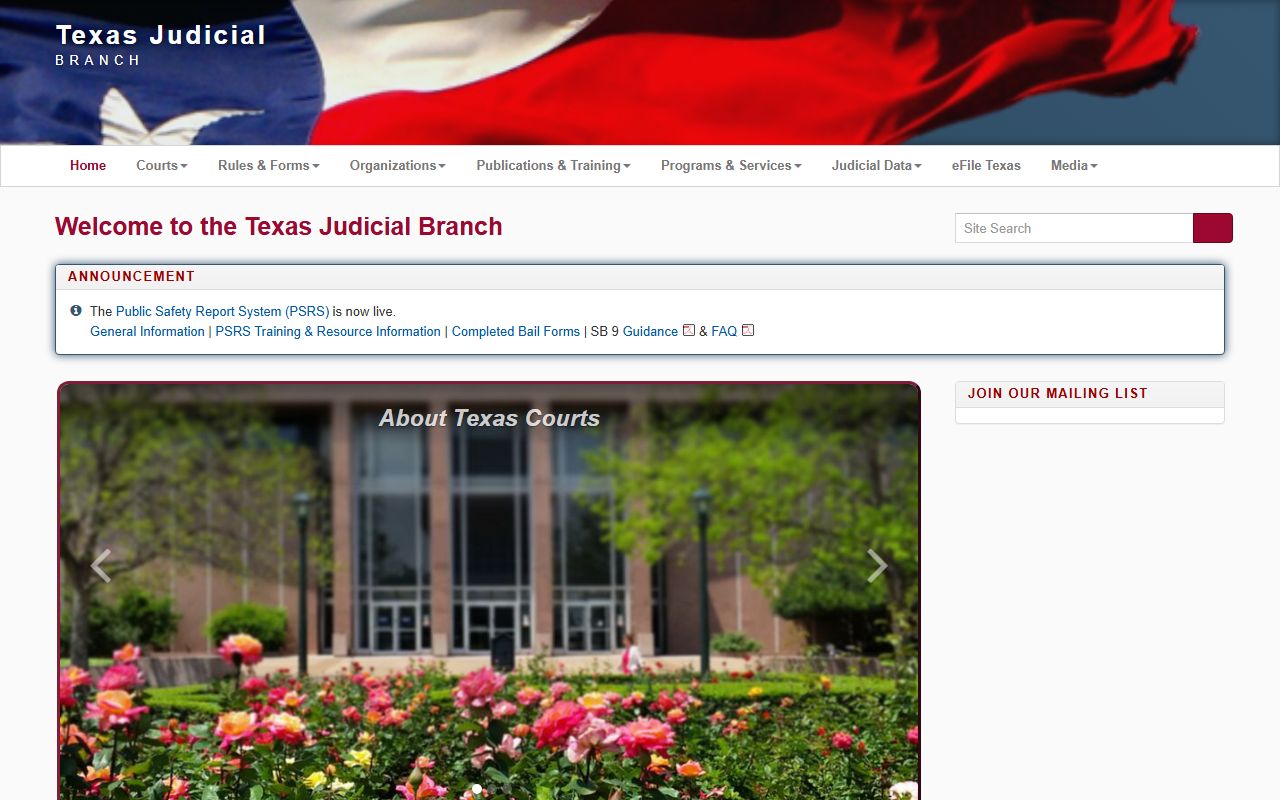
The Texas courts website has forms, fee information, and guidance on how to file and manage a divorce case in any Texas county.
Legal Help in Lamb County
If you need help with a divorce case in Lamb County, there are a few options. The TexasLawHelp website has free self-help guides and official court forms. It is a good starting point if you want to understand the process before hiring a lawyer.
For low-income residents, legal aid organizations in the West Texas area may offer free or reduced-cost help. The Texas Bar Association also runs a lawyer referral service at (800) 252-9690. You can search for attorneys online at texasbar.com. Court forms are available at txcourts.gov.
Note: The District Clerk's staff can tell you about procedures, fees, and how to file. They cannot give legal advice.
Cities in Lamb County
Lamb County includes Littlefield, Olton, Amherst, and several small communities. All divorce filings for residents of these cities go through the Lamb County District Court in Littlefield. No city in Lamb County meets the population threshold for its own dedicated page on this site.
Nearby Counties
Lamb County borders several Panhandle and South Plains counties. If you are not sure which county handled a specific divorce, check where the parties lived at the time. Neighboring counties include Lubbock County, Hockley County, Bailey County, Castro County, and Parmer County.