
Armstrong County Divorce Decree
Armstrong County divorce decree records are kept by the District Clerk at the courthouse in Claude, the county seat in the Texas Panhandle. The county is small but maintains complete divorce records through the District Clerk, with records available going back to at least the late 1800s. If you need to search for an Armstrong County divorce decree or get a certified copy, the clerk's office is your point of contact. This page explains the office location, search options, fees, and the steps involved in a Texas divorce.
Armstrong County Overview
Armstrong County District Clerk
The Armstrong County District Clerk's office at 101 Trice Street in Claude handles all divorce cases filed in the county. This is a small rural county, and the same office often handles both County Clerk and District Clerk duties. Divorce records are maintained by the District Clerk. Birth, death, marriage, and probate records are kept by the County Clerk.
Armstrong County is one of the smaller Panhandle counties. Because of the county's size, the courthouse handles records with a small staff. Call ahead before visiting so the clerk can prepare for your request and make the most of your time. The county website is at co.armstrong.tx.us, though online portal access may be limited. The best approach for most requests is a direct phone call or an in-person visit.
| Office | Armstrong County District Clerk |
|---|---|
| Address | 101 Trice Street Claude, TX 79019 |
| Mailing | Box 309, Claude, TX 79019 |
| Phone | (806) 226-2081 |
| Hours | Monday through Friday, standard courthouse hours |
The county's divorce records go back to the late 1800s, with court records from 1898 and marriage records from 1890. If you are researching older records, call the clerk to confirm availability before making the trip to Claude.
How to Search Armstrong County Divorce Records
Armstrong County does not have a dedicated online divorce record portal. Your best option for searching remotely is the statewide re:SearchTX system. This state court search tool lets you look up civil and family cases by party name or cause number across Texas, including smaller counties like Armstrong.
For in-person searches, go to the courthouse at 101 Trice Street in Claude. Give the clerk the names of both parties and the approximate year of the divorce if you know it. A cause number will help narrow the search quickly. Staff can make plain copies or certified copies while you wait in most cases. If you need older records, some may require extra time to locate.
Family history resources for Armstrong County document the county's record holdings, including divorce filings that go back to the county's earliest years.
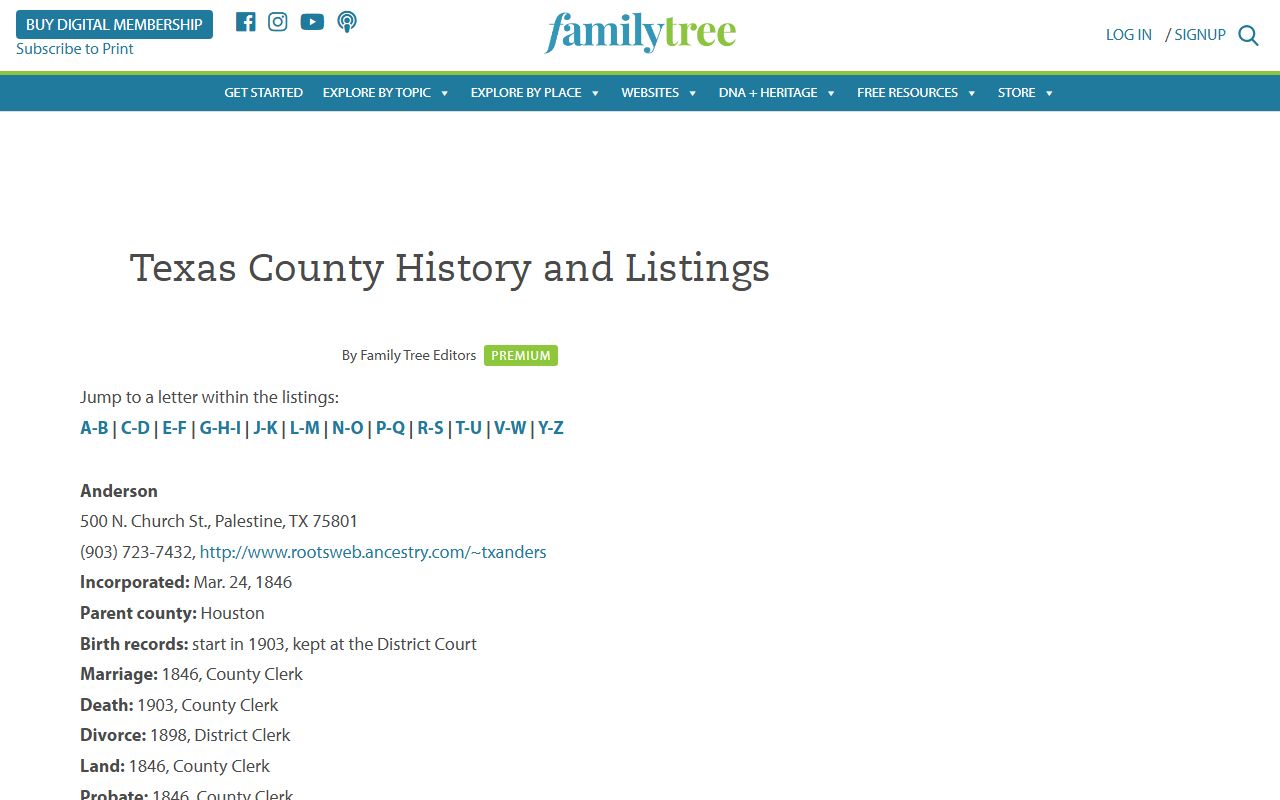
Armstrong County's District Clerk maintains the official record of all divorces filed in the county, with records available from the courthouse in Claude.
Mail requests are also an option. Write a letter to the District Clerk at Box 309, Claude, TX 79019. Include the names of both parties, the year of the divorce, the cause number if you have it, a copy of your ID, and a check or money order for the fees. Include a self-addressed stamped envelope if you want copies mailed back to you.
Note: Because Armstrong County is small, online access to its divorce records is limited. Phone calls and in-person visits are the most reliable way to get what you need.Armstrong County Divorce Costs
Filing fees for divorce in Armstrong County follow Texas state statute. A new divorce case costs approximately $300. This includes the base filing fee and required statutory surcharges. The exact total can vary based on case type, so call the clerk's office to confirm before you file.
Copies of divorce records cost $1.00 per page for plain copies. Certified copies add a certification fee. If you need documents mailed, include return postage with your request. The clerk accepts checks and money orders. Call ahead to ask about cash and card payments.
People who cannot afford the fees can apply for a waiver. Under Texas Rule of Civil Procedure 145, you file a Statement of Inability to Afford Payment of Court Costs. Include proof of income or public assistance. The judge reviews it and decides. Get the form at the courthouse or at txcourts.gov/rules-forms.
Divorce Process in Armstrong County
Armstrong County divorces follow Texas Family Code Chapter 6. To file here, one spouse must meet the residency rule under Section 6.301: six months in Texas and 90 days in Armstrong County before filing.
Most cases use the no-fault ground of insupportability under Section 6.001. Fault grounds like cruelty or adultery can also be raised and may affect how the court divides community property under Texas Family Code Chapter 7.
Texas requires a 60-day waiting period under Section 6.702. After the petition is filed, you must wait at least 60 days before the divorce can be finalized. The other spouse is served with the petition or signs a waiver. Once all terms are resolved, the judge signs the Final Decree of Divorce. That document becomes the official record on file with the Armstrong County District Clerk.
What Armstrong County Divorce Records Contain
The Final Decree of Divorce is the key document in an Armstrong County divorce. It is the court order that ends the marriage and lays out all the terms. Property division, any spousal maintenance, child conservatorship, possession schedules, and child support are all covered in the decree. You need a certified copy for most legal purposes after the divorce is done.
The full case file also includes the original petition, service documents, temporary orders, any financial affidavits, and all court filings from the case. For older cases, some documents may only be available in paper form at the courthouse. For recent filings, more may be accessible electronically.
Most Armstrong County divorce records are public. Social Security numbers and some financial details are typically redacted. Sealed cases or cases involving domestic violence may have limited access. Ask the clerk about any restrictions specific to the case you are researching.
Legal Help for Armstrong County Divorces
Self-represented filers can get help from TexasLawHelp.org. The site has guides and forms for Texas divorces that you can use without a lawyer. The Texas State Law Library divorce guide gives a solid overview of the legal steps.
For attorney referrals in or near the Panhandle area, call the State Bar of Texas at (800) 252-9690. Official court forms are free at txcourts.gov/rules-forms. If child support is involved, the Texas Attorney General's Child Support Division handles services statewide. Electronic filing goes through eFileTexas.gov.
Cities in Armstrong County
Armstrong County is one of the least populated counties in Texas. Claude is the county seat and the main community. All divorce filings go to the courthouse in Claude.
No cities in Armstrong County meet the population threshold for a dedicated page. If you live in Claude or anywhere else in the county, you file your divorce case with the Armstrong County District Clerk.
Nearby Counties
These Panhandle counties border Armstrong County. Make sure you have met the 90-day county residence rule before filing.