
Smith County Divorce Decree Records
Smith County divorce decree records are maintained by the District Clerk's office in Tyler, Texas. If you need to search for a divorce case, request a certified copy of a Final Decree of Divorce, or check the status of a family law filing, the Smith County District Clerk handles all of that. Smith County has an active online portal and is one of the more accessible East Texas counties for records searches. Whether you need to search online or come in person to the courthouse in Tyler, this page covers the key steps.
Smith County Overview
Smith County District Clerk
The Smith County District Clerk keeps all family law records for the county, including divorce decrees and related filings. The office is located in the Smith County Courthouse in Tyler. It serves multiple district courts that handle family law matters for Smith County residents. Staff can search by party name or cause number and help you request certified copies of final decrees.
Smith County is the largest county in the East Texas region and a regional hub for legal services. Tyler is the county seat and home to the courthouse. The District Clerk's office receives a significant volume of divorce filings each year. It has an online portal that provides access to basic case information. For full copies of divorce records, you can visit in person, send a mail request, or use the online system to the extent it supports remote access.
| Office | Smith County District Clerk |
|---|---|
| Address | Smith County Courthouse 100 N. Broadway, Suite 204 Tyler, TX 75702 |
| Phone | (903) 590-2600 |
| Hours | Monday through Friday, 8:00 AM to 5:00 PM |
| Website | smith-county.com |
How to Find Smith County Divorce Decrees
Smith County has online access for district court records. The District Clerk's portal at smith-county.com lets you search by party name or cause number. You can view case docket entries, filing history, and basic case status online. This is a good starting point if you know the name of one or both parties and approximately when the divorce was filed.
The statewide re:SearchTX system also includes Smith County. It lets you search across Texas district courts for free. You can pull up case details without visiting the courthouse. For certified copies, though, you will need to go through the Smith County District Clerk directly whether you come in person, mail your request, or request copies through the online portal.
In-person visits work well when you need to review the full case file. Come to the courthouse in Tyler with a valid ID and the names of the parties or the cause number. Clerks can pull the file and let you review it. You pay for any copies you want. Certified copies cost more than plain copies. Bring cash, a money order, or a card, and confirm accepted payment methods when you call ahead.
[Lead-in: The eFileTexas system allows attorneys and self-represented parties to file court documents electronically in Smith County and other Texas district courts.]
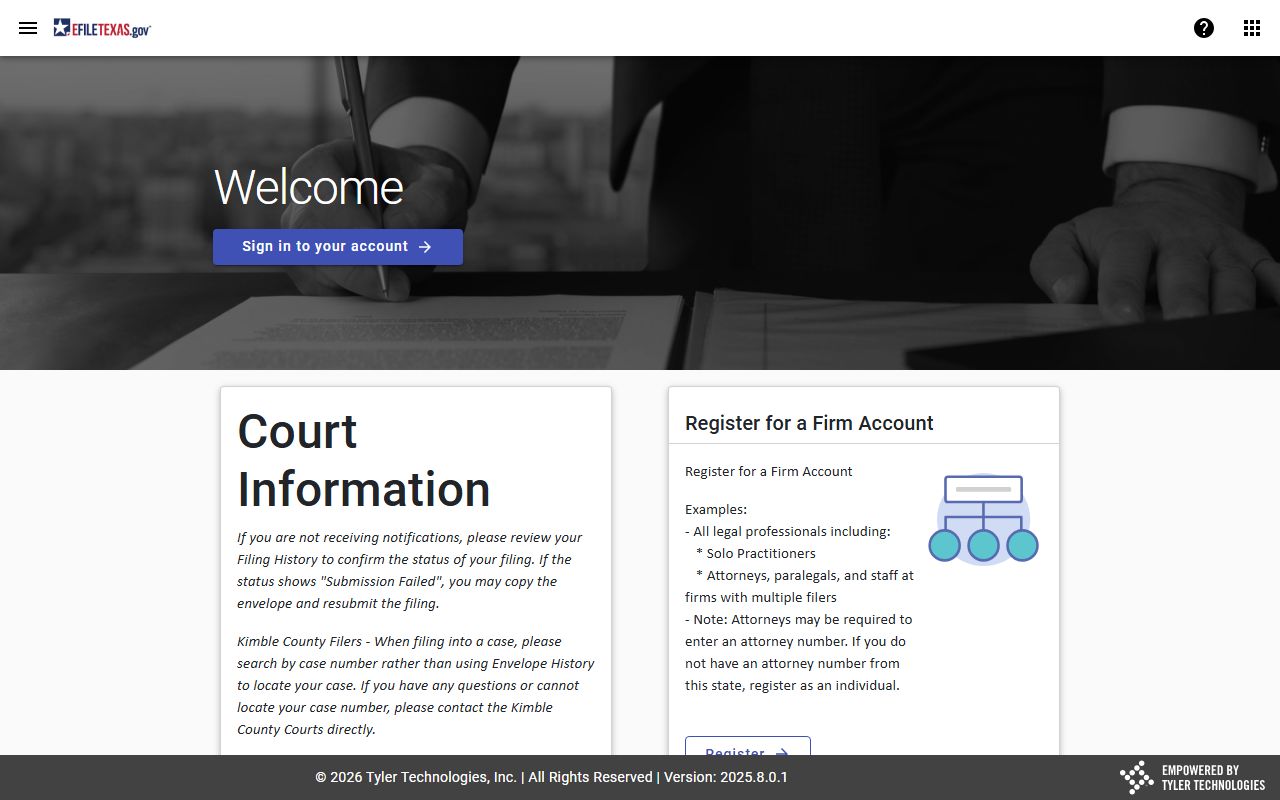
eFileTexas supports electronic filing for new and existing divorce cases in Smith County, reducing the need for in-person trips to the courthouse for document submissions.
Smith County Divorce Decree Fees
Filing fees in Smith County follow the Texas state schedule plus local court costs. The total cost to file a divorce typically runs around $300. Cases involving children may be slightly higher. The clerk collects the fee at the time of filing. Payment methods vary, so call the District Clerk at (903) 590-2600 to confirm what the office accepts before you come in.
Other costs can add up. Serving the other party by constable runs extra. Certified copies of the final decree carry per-page fees plus a certification charge. Non-certified copies cost less. If you need documents mailed, add return postage. The clerk can give you a full breakdown when you call or visit.
If you cannot afford the fees, Texas law provides an option. You can file a Statement of Inability to Afford Payment of Court Costs under Texas Rule of Civil Procedure 145. You submit proof of your income and expenses. The court reviews your situation and decides if a waiver applies. Official forms are at txcourts.gov.
Note: Filing fees can change. Always check the current fee schedule with the Smith County District Clerk before you file.
Filing for Divorce in Smith County
Smith County divorce cases proceed through the district courts under Texas Family Code Chapter 6. The District Clerk records every step of the process, from the original petition through the final decree. Smith County has multiple district courts that handle family law, so the case is assigned to one when you file.
You must meet the residency requirement before filing. Under Texas Family Code Section 6.301, at least one spouse must have lived in Texas for six months and in Smith County for at least 90 days before the petition is filed. Tyler and the surrounding communities all count as Smith County for this purpose.
Texas allows no-fault divorce. Most people file on the ground of insupportability under Texas Family Code Section 6.001. This means the marriage has broken down beyond reasonable repair. You don't need to prove the other spouse did anything wrong. Fault grounds like cruelty, adultery, abandonment, or felony conviction are also valid under the Family Code if they apply.
After filing, there is a 60-day mandatory waiting period before the court can grant the divorce. This is required under Texas Family Code Section 6.702. Agreed divorces can move forward once that window passes. Contested cases take longer, often going through mediation before the judge decides. Property is split under community property rules in Texas Family Code Chapter 7. The court divides what was earned or acquired during the marriage in a way it finds just and right.
What's Inside a Smith County Divorce File
A Smith County divorce case file starts with the original petition and grows from there. The file includes any service-of-process documents showing the other spouse was properly notified. Temporary orders covering custody, support, and property while the case is pending are filed here. Financial affidavits showing each party's income and assets are part of the record as well.
The Final Decree of Divorce is the main document most people need. It is the signed order from the judge that ends the marriage and lays out all the terms. Property division, conservatorship of children, the possession and access schedule, child support, and spousal maintenance are all spelled out in the decree. Certified copies are used for name changes, real estate matters, and updating financial or government records.
Most Smith County divorce records are public. You don't have to be a party to the case to request copies. Some financial documents may be sealed, and records tied to protective orders may have access restrictions. For a simple confirmation that a divorce occurred in Texas, the Texas DSHS Vital Statistics office issues verification letters for divorces since 1968.
Legal Help in Smith County
Smith County has more legal resources than most East Texas counties. East Texas Legal Services operates in the region and provides civil legal aid to people with low income, including divorce and family law cases. Their contact information is available through TexasLawHelp.org, which also has step-by-step guides and all official court forms for people handling their own cases.
The Tyler area has a number of family law attorneys in private practice. The State Bar of Texas lawyer referral line at (800) 252-9690 can help you find one. The Texas State Law Library divorce guide is a free online resource for anyone going through the process. Official forms are also at txcourts.gov. For child support matters after the decree is entered, the Texas Attorney General Child Support Division handles enforcement and modifications.
Cities in Smith County
Smith County includes Tyler, the county seat and the largest city in East Texas. All divorce decree cases are filed at the Smith County District Court in Tyler.
Nearby Counties
Smith County is surrounded by several East Texas counties. If you are unsure which county to file in, confirm where you have lived for at least 90 days.