
Orange County Divorce Records
Orange County divorce decree records are held at the District Clerk's office in the City of Orange, located in Southeast Texas along the Louisiana border. If you need to search for a divorce case or get a certified copy of a Final Decree of Divorce, you can contact the clerk's office directly or search through the statewide re:SearchTX system. Orange County is part of the Beaumont-Port Arthur metro area and covers communities along the Sabine and Neches rivers. The District Clerk handles all civil filings including family law matters, and staff can help you find cases by name or cause number.
Orange County Overview
Orange County District Clerk
The Orange County District Clerk is the keeper of all divorce records in the county. That office files the original petitions, stores all case documents, and issues certified copies of the Final Decree of Divorce. The courthouse sits in the City of Orange, the county seat. Staff there handle both civil and criminal case files, and the family law side covers divorce, custody, and support matters.
Orange County is served by the 260th District Court. The clerk processes all filings for that court as well as other courts assigned to the county. If you are not sure which court handled your case, the clerk can search by name or cause number. You can reach them by phone or visit in person. They accept calls during regular business hours.
| Office | Orange County District Clerk |
|---|---|
| Address | 801 W. Division Ave. Orange, Texas 77630 |
| Phone | (409) 882-7055 |
| Hours | Monday through Friday, 8:00 AM to 5:00 PM |
| Website | co.orange.tx.us |
Search Orange County Divorce Decrees
There are two main ways to search for divorce records in Orange County. You can use the statewide online system or contact the District Clerk directly. Either way gives you access to cases on file, though only in-person visits let you review full documents and walk out with certified copies the same day.
The statewide re:SearchTX portal is a good starting point. It covers Orange County and lets you search by party name or cause number. You can see docket entries, case status, and basic case info without going to the courthouse. If the case is older or sealed, you may need to contact the clerk directly for those records.
To search in person, go to the Orange County Courthouse at 801 W. Division Ave. in Orange. Bring the full name of either spouse and an approximate year the case was filed. A cause number speeds things up. Certified copies of the Final Decree of Divorce cost a per-page fee plus a certification charge. Staff can tell you the current cost when you call.
The Orange County District Clerk's website at co.orange.tx.us has contact information and links to available search tools. Check there first for current hours and any updates to the search process.
The Texas Courts website also has official forms and guidance on requesting records from district clerks across the state.
Orange County is included in the re:SearchTX system. This is the most direct way to look up a case online before making a trip to the courthouse.
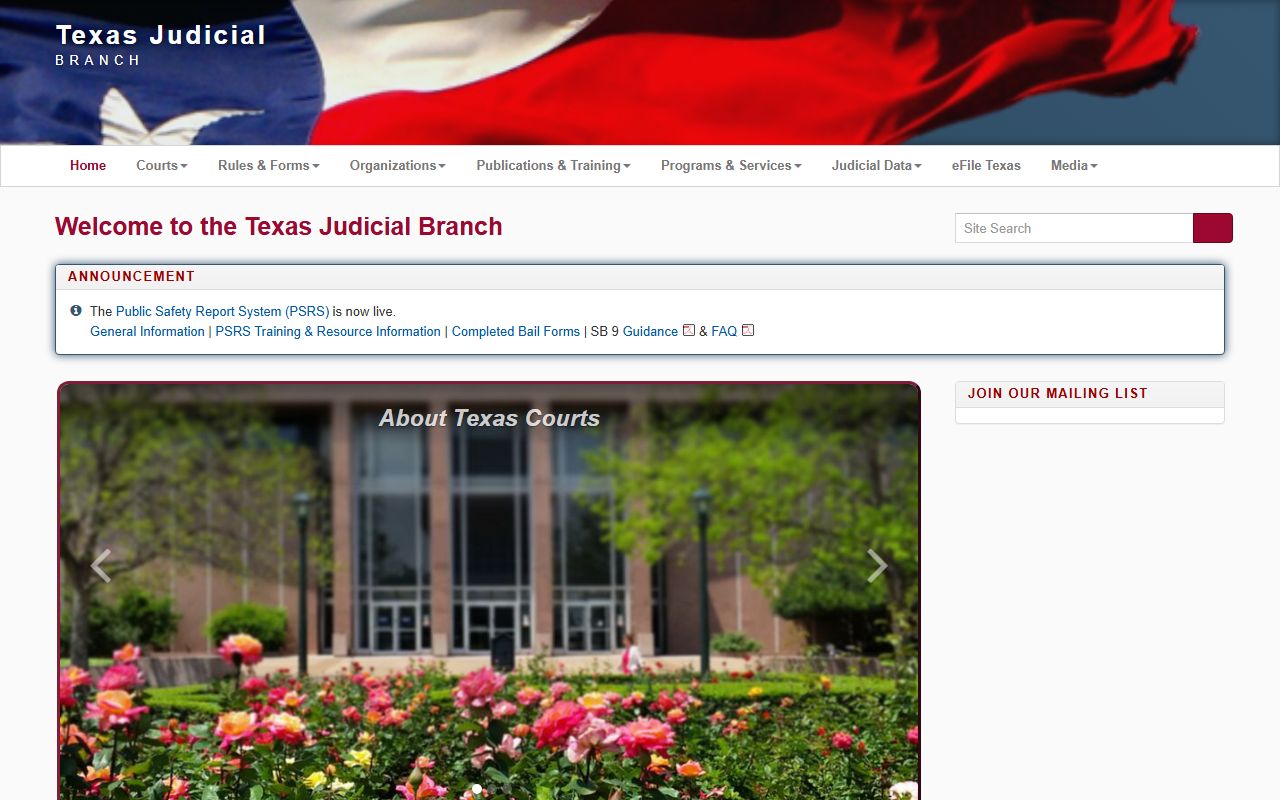
The Texas Judicial Branch portal connects to district clerk systems across the state, including Orange County, for searching divorce and other civil case records.
Orange County Divorce Filing Fees
Fees in Orange County follow the state fee schedule set by the Texas legislature plus any local court costs the county adds on. Filing a divorce without children typically costs around $250 to $300 in total. Cases with children involved run somewhat higher. Costs can also vary if you file additional motions or need temporary orders while the case is open.
Other costs to plan for include serving the other party. A constable or process server charges extra for that. Certified copies of the final decree cost a per-page fee on top of the certification charge. If you need documents mailed to you, add postage. The clerk's office can give you the current fee schedule when you call at (409) 882-7055.
People who cannot afford court costs have options. Texas lets you file a Statement of Inability to Afford Payment of Court Costs. The form is available at txcourts.gov. You fill it out and the court reviews whether to waive the fees. Income and expenses both factor into the decision.
Tip: Fees can change from year to year. Call the Orange County District Clerk at (409) 882-7055 or check co.orange.tx.us to confirm what you will owe before you file.
Divorce Filing Process in Orange County
Divorce cases in Orange County go through the 260th District Court. The process follows Texas state law, starting with Texas Family Code Chapter 6. Every document you file becomes part of the case record kept at the District Clerk's office.
Residency is the first thing to check. Under Texas Family Code Section 6.301, at least one spouse must have lived in Texas for six months and in Orange County for at least 90 days before filing. If you or your spouse recently moved to Vidor, Bridge City, Orangefield, or another Orange County community, you may need to wait before filing.
Texas allows no-fault divorce. Most people use the ground of insupportability under Texas Family Code Section 6.001. That means the marriage has broken down with no real chance of reconciliation. You do not have to prove fault or wrongdoing. Fault grounds like cruelty, adultery, or abandonment are also allowed if they fit your situation.
Once you file, there is a mandatory 60-day waiting period before the court can grant a divorce. This is set by Texas Family Code Section 6.702. Exceptions apply in cases involving family violence. Most contested cases take longer than 60 days once you factor in hearings, discovery, and potential mediation.
Property goes through community property rules under Texas Family Code Chapter 7. The court divides marital assets and debts in a way it finds just and right. Separate property, meaning what each spouse owned before the marriage or received as a gift or inheritance, generally stays with that spouse.
60-Day Waiting Period: Texas law requires a 60-day waiting period after filing before the court can finalize a divorce, per Texas Family Code Section 6.702. Limited exceptions apply for cases involving family violence.
What Orange County Divorce Records Contain
A divorce case file in Orange County holds multiple documents from start to finish. The Original Petition for Divorce is filed first. It states who is filing, on what grounds, and what they are asking the court to order. After that, papers are served on the other spouse, and a response may be filed. Any temporary orders issued during the case, like custody or support arrangements while the case is open, also go into the file.
The Final Decree of Divorce is the most important document in the file. It is the signed court order that legally ends the marriage. It spells out property and debt division, who has custody of children, the possession schedule, child support amounts, and any spousal maintenance. Certified copies of this decree are needed for many things, including name changes, real estate transfers, and updating financial accounts.
A typical Orange County divorce record shows:
- Names and last known addresses of both spouses
- Date and place of marriage
- Grounds for divorce
- Property and debt division terms
- Conservatorship and possession orders for children
- Child support and any spousal maintenance amounts
- Date the final decree was signed
Most divorce records at the Orange County District Clerk's office are public. You do not need to be a party to the case to request copies. Some financial source documents like tax returns may be filed under seal. Records involving minor children may have limited access in certain cases.
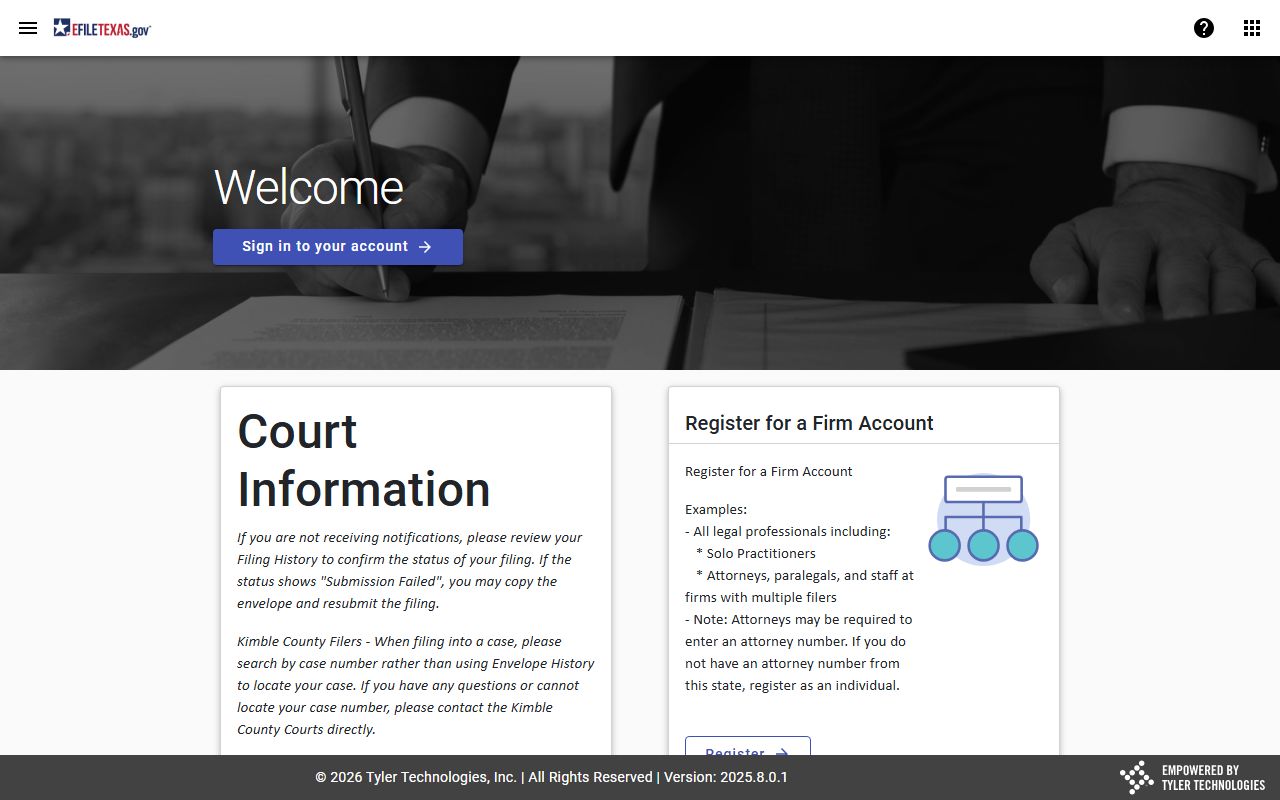
Texas courts use the eFileTexas system for online submissions, which feeds records into the county district clerk's office, including Orange County divorce decree filings.
Legal Help for Orange County Divorce Cases
If you need help with a divorce case in Orange County, several resources are available. Legal aid groups serve people with low income, and a few offer free consultations or reduced fees. Others offer guides to help you handle the process without a lawyer if your case is straightforward.
Lone Star Legal Aid covers Southeast Texas, including Orange County. They handle family law matters for people who qualify based on income, including divorce and custody cases. You can reach them at (800) 733-8394 or visit their site at lonestarlegal.org. They can tell you whether you qualify and what help they can provide.
The Texas State Bar runs a lawyer referral service you can reach at (800) 252-9690. You can also search for attorneys at texasbar.com. For self-help guides and court forms, texaslawhelp.org has plain-language resources covering divorce, custody, and support. All official forms are also on the Texas Courts website.
Note: Legal aid resources serve clients based on income limits. Call ahead to ask if you qualify before making a trip to their office.
Cities in Orange County
Orange County includes several communities in Southeast Texas near the Louisiana state line. All divorce cases for residents of these communities go through the Orange County District Court.
Communities in Orange County include the City of Orange, Vidor, Bridge City, Orangefield, Pine Forest, West Orange, and Rose City. None of these cities meet the population threshold for a dedicated city page, but all divorce filings for county residents go through the Orange County District Court at the courthouse in Orange.
Nearby Counties
These counties border Orange County. If you are not sure which county handles your divorce case, check where you have lived for the past 90 days. You must file in the right county under Texas residency rules.