
Liberty County Divorce Decree Search
Liberty County divorce decree records are filed and kept at the District Clerk's office in Liberty, Texas. You can search for divorce cases in person at the courthouse or check the re:SearchTX portal online for basic case details. The District Clerk manages all family law filings for the county, including petitions, agreed decrees, and final orders. Liberty County is part of the greater Houston area, and the District Clerk's office handles a steady volume of family court cases. This guide covers how to find, copy, and file divorce records in Liberty County.
Liberty County Overview
Liberty County District Clerk
The Liberty County District Clerk is the official custodian of all divorce records in the county. The office files new cases, maintains case files, and provides copies of decrees and related documents. If you need a divorce record from Liberty County, this is the place to start.
Liberty County has two district courts: the 75th and the 253rd. Both courts handle family law cases, including divorce and custody. The county sits northeast of Houston and covers a mix of suburban and rural communities. The District Clerk's office in the Liberty courthouse serves all residents of the county.
| Office | Liberty County District Clerk |
|---|---|
| Address | 1923 Sam Houston Street Liberty, TX 77575 |
| Phone | (936) 336-4619 |
| Hours | Monday through Friday, 8:00 AM to 5:00 PM |
| Website | co.liberty.tx.us |
How to Find Liberty County Divorce Records
You have a few options for finding divorce records in Liberty County. An in-person visit to the District Clerk is the most reliable. Bring the full name of one or both spouses and an approximate year for the case. Staff will search by name or cause number and can print copies on the spot.
The re:SearchTX statewide portal offers online access to basic case data for many Texas counties. You can check party names, case status, and filing dates. Full document images are not available online. You need to contact the District Clerk to get actual copies of the decree or other case documents.
The Texas Department of State Health Services also maintains divorce records from 1968 forward. A verification letter from DSHS at dshs.texas.gov confirms a divorce took place but does not include the terms of the decree. If you need the actual decree, request it from Liberty County directly.
The state verification fee through DSHS is $20 per request. Certified copies of the decree from the District Clerk cost more and vary by page count and certification fee.
Liberty County Divorce Filing Fees
Filing for divorce in Liberty County costs roughly $300 to $350, depending on the type of case. Cases with minor children usually carry additional fees. The total includes court costs, clerk fees, and several statutory surcharges required by state law. Ask the clerk's office for the current fee schedule before you file.
Once your divorce is final, getting copies of the decree involves per-page costs plus a certification fee if you need a certified copy. Plain copies are cheaper. Certified copies are needed for official purposes like a name change with the Social Security Administration or a title transfer on real property. Fee waivers are available for people who cannot afford to pay. Request the waiver form at the courthouse or download it from txcourts.gov/rules-forms.
Divorce Filing Process in Liberty County
Before you file for divorce in Liberty County, you need to meet the residency rule. One spouse must have lived in Texas for six months and in Liberty County for at least 90 days before filing. This is set by Texas Family Code section 6.301. If you recently moved to the county, you may need to wait before you can file here.
Texas lets you file on either fault or no-fault grounds. Most divorces use the no-fault ground of "insupportability" under Texas Family Code section 6.001. This means the marriage is broken and cannot be fixed due to conflict or discord. No proof of wrongdoing is needed. Fault-based grounds, like cruelty or adultery, are also available and may influence property division.
Texas requires a 60-day waiting period after filing before a divorce can be granted, as stated in Texas Family Code section 6.702. Exceptions apply in family violence situations. During this time, both parties can negotiate terms. If they agree on everything, an agreed decree can be submitted to the judge right after the waiting period ends.
Texas is a community property state. Under Texas Family Code Chapter 7, marital property is divided in a just and right way. The court considers many factors, including each spouse's earning capacity and any fault in the marriage breakdown. Property owned before marriage or received as gifts or inheritance generally stays separate.
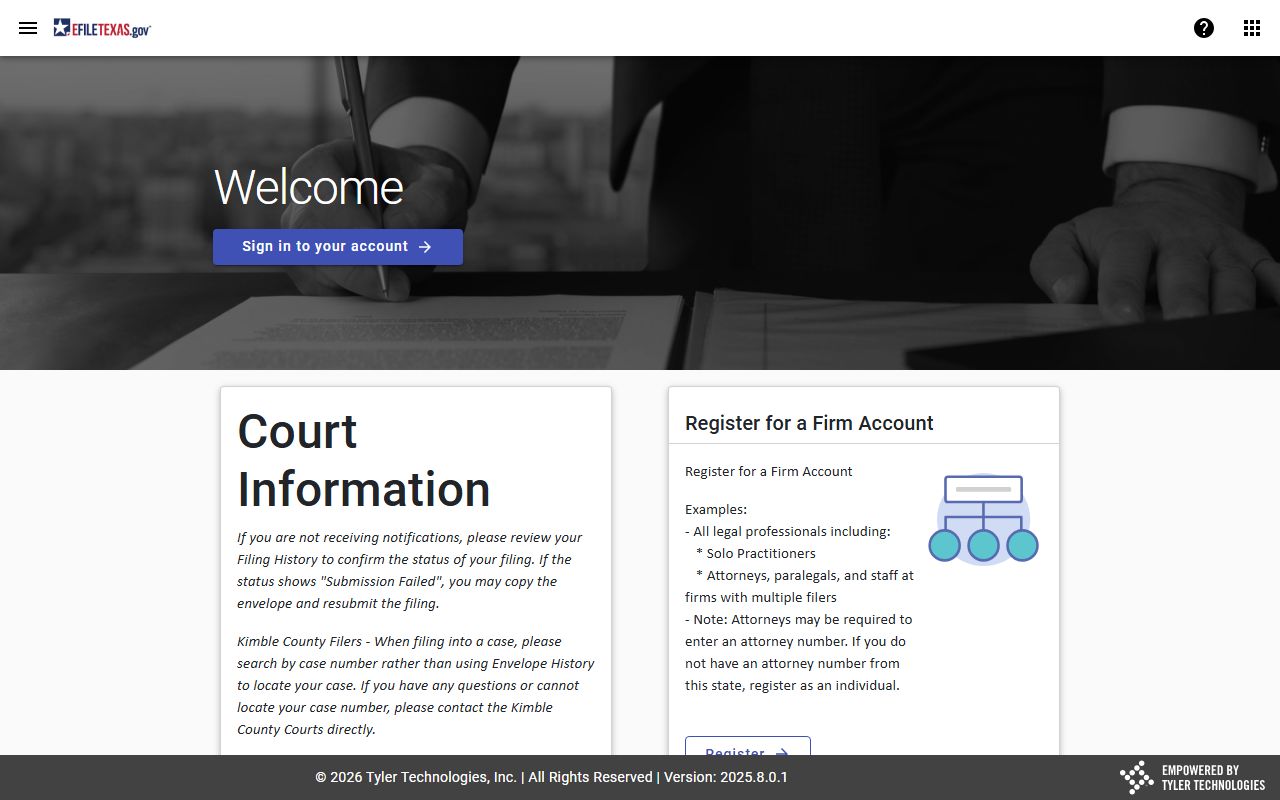
Texas offers electronic filing through eFileTexas, which allows attorneys and self-represented filers to submit documents without visiting the courthouse in person.
What Liberty County Divorce Decrees Include
The Final Decree of Divorce in Liberty County is the court's official order ending the marriage. It covers all the terms the judge signed off on: property and debt division, conservatorship of any children, the possession and visitation schedule, child support amounts, and spousal maintenance if ordered. Both parties are legally bound by the decree.
The full case file also includes the original divorce petition, any temporary orders, financial disclosures, and the waiver or proof of service. All of these are public records. Anyone can request copies from the District Clerk. Certain items, like detailed financial records or anything sealed by the judge, may not be available for public review.
Divorce records in Liberty County are public under the Texas Public Information Act, found at Texas Government Code Chapter 552. The court file is open to any person who asks. Fees apply for copies.
Legal Help in Liberty County
If you need a family law attorney in Liberty County, the State Bar of Texas referral service is a good starting point. Call (800) 252-9690 or search at texasbar.com. Many attorneys who practice in the greater Houston area also serve Liberty County clients.
Lone Star Legal Aid covers a large part of southeast Texas, including Liberty County. They assist low-income individuals with divorce, custody, and other family law matters. Visit texaslawhelp.org for self-help tools, forms, and information about free legal services. The Texas Attorney General also handles child support enforcement at texasattorneygeneral.gov.
Cities in Liberty County
Liberty County communities include Liberty, Dayton, Cleveland, and Hardin. All divorce cases in Liberty County are filed and maintained at the District Clerk's office in Liberty. No city in Liberty County meets the population threshold for a dedicated city page on this site.
Nearby Counties
Liberty County is in the Houston metro region. Adjacent counties where you may also need to search divorce records include Harris County, Montgomery County, Hardin County, Chambers County, and San Jacinto County.