
Hardeman County Divorce Decree Records
Hardeman County divorce decree records are on file at the District Clerk's office in Quanah. The clerk keeps all divorce case files for the county, including petitions, orders, and final decrees. Online search is not available for Hardeman County, so all requests go through the clerk's office directly. If you need to find a divorce record or get a certified copy of a decree from Hardeman County, this page explains what you need to do, who to contact, and what Texas law requires.
Hardeman County Overview
Hardeman County District Clerk
The District Clerk in Quanah handles all court records for Hardeman County, including divorce filings and final decrees. The office is small, and staff may handle multiple duties. Call ahead before visiting to confirm hours and what you need to bring. The clerk can search records by party name or cause number and retrieve paper files for older cases as needed.
Hardeman County is in North Texas, near the Oklahoma border. Quanah is the county seat and the main community in the county. The county is served by the 46th Judicial District. All divorce cases filed by Hardeman County residents go through the courthouse in Quanah.
| Office | Hardeman County District Clerk |
|---|---|
| Address | PO Box 30 Quanah, TX 79252 |
| Phone | (940) 663-0951 |
| Hours | Monday through Friday, 8:00 AM to 5:00 PM |
| Website | co.hardeman.tx.us |
How to Find Hardeman County Divorce Records
Hardeman County does not have online case search access. Your best option is to call the District Clerk at (940) 663-0951 or visit the courthouse in Quanah. You can also check the statewide re:SearchTX portal, though data for smaller counties is often limited there.
When you contact the clerk, have the full names of both spouses and the approximate year of filing. A cause number is very helpful if you have it. The clerk will search by name or cause number. For older cases, the search may take longer if the records are on paper.
Mail requests are accepted. Write to the Hardeman County District Clerk, describe what you need, and include payment. For certified copies, state that in your request. Include a self-addressed stamped envelope for the return of documents. Make checks payable to the Hardeman County District Clerk. Processing times can vary.
If you need a statewide verification of a divorce in Texas, the Texas DSHS Vital Statistics unit maintains an index of all Texas divorces. They issue verification letters that work for many official purposes, though they do not provide copies of actual decrees.
Hardeman County Divorce Fees
Filing fees in Hardeman County follow Texas state law. A basic divorce petition typically costs around $300. Cases with children may run higher. Call the clerk to confirm current fees before filing. Certified copies of the final decree cost $1.00 per page plus $5.00 for the certification. Plain copies are $1.00 per page. Payment is due before copies are released.
If you cannot pay court fees, ask for a Statement of Inability to Afford Payment of Court Costs. The form is available at the courthouse or at txcourts.gov.
The Divorce Process in Hardeman County
Filing for divorce in Hardeman County follows Texas law. One spouse must have lived in Texas for six months and in Hardeman County for at least 90 days before filing. This comes from Texas Family Code § 6.301. If you have lived in Quanah or elsewhere in the county for 90 days, you can file here.
Most divorces in Texas are filed on no-fault grounds. Under Texas Family Code § 6.001, insupportability means the marriage cannot continue due to conflict or discord with no chance of reconciliation. This is simple and does not require proving fault. Fault grounds like cruelty, adultery, and abandonment are also valid in Texas.
After filing, a 60-day waiting period begins. The court cannot finalize the divorce until those 60 days have passed, per Texas Family Code § 6.702. Agreed cases can be finalized soon after the waiting period. Contested cases take longer. If there are disputes about property or children, the case may need hearings or a trial.
Texas is a community property state. Under Texas Family Code Chapter 7, marital assets and debts are divided in a just and right manner by the court. Separate property is generally not included in the division. The judge looks at each spouse's circumstances when deciding how to divide things.
Hardeman County Divorce Decree Contents
The case file at the Hardeman County District Clerk starts with the Original Petition for Divorce. Every document filed after that is part of the record, including temporary orders, service documents, the other spouse's response, financial affidavits, and any settlement agreement. The file ends with the signed Final Decree of Divorce.
The final decree ends the marriage and sets all the terms. Property division, debt assignments, spousal maintenance if ordered, and provisions for children are all in the decree. When children are involved, the decree includes a conservatorship plan, a possession schedule, and a child support order under Texas Family Code Chapter 154. Certified copies are needed for name changes, account updates, property transfers, and other legal purposes.
Most Hardeman County divorce records are public. Anyone can ask for copies without being a party to the case. Some records may be sealed by court order. The clerk will advise you on what is available for a specific case.
The Texas Department of State Health Services keeps a statewide index of all Texas divorces and can issue verification letters for divorces that took place anywhere in the state.
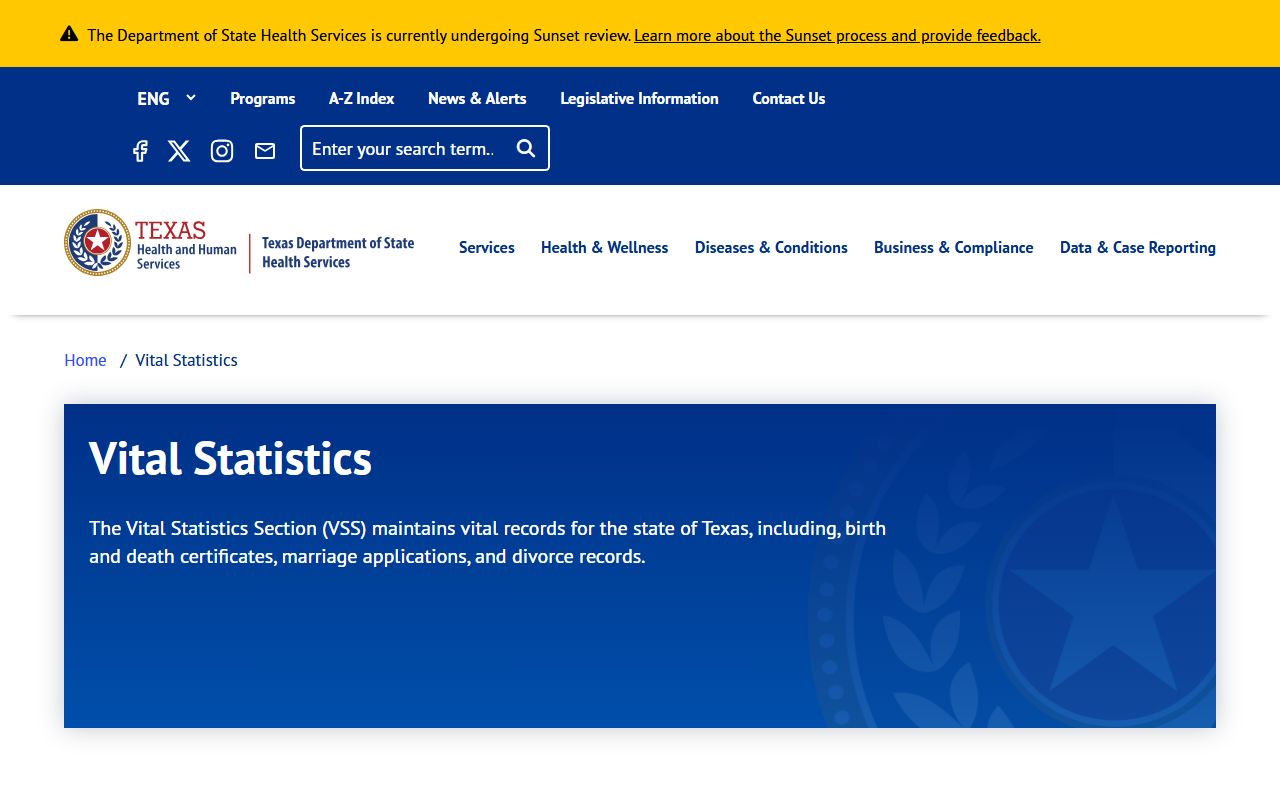
For the actual certified divorce decree, the Hardeman County District Clerk in Quanah is the correct office to contact.
Legal Help for Hardeman County Divorce
Free self-help guides for Texas divorce are at texaslawhelp.org. Official court forms are at txcourts.gov. The Texas State Law Library guide at guides.sll.texas.gov/divorce covers the full Texas divorce process. To find a local attorney, use the Texas State Bar referral service at texasbar.com.
Cities in Hardeman County
Quanah is the county seat and main city in Hardeman County. All divorce cases in the county are filed at the District Court in Quanah. No cities in Hardeman County meet the population threshold for a separate city page.
Nearby Counties
Hardeman County is in North Texas near the Oklahoma border. These counties are nearby:
Childress County | Hall County | Foard County | Wilbarger County | Cottle County