
Colorado County Divorce Records
Colorado County divorce decrees are kept by the District Clerk's office in Columbus, the county seat. If you need to find or get copies of a divorce decree filed in this county, the District Clerk is the right place to contact. Colorado County is located in Southeast Texas between Houston and San Antonio. The county has limited online case access, so in-person visits or mail requests are often needed. The District Clerk maintains all family law records including divorce, custody, and support matters filed in the county's district courts.
Colorado County Overview
Colorado County District Clerk Office
The Colorado County District Clerk in Columbus handles all civil and family law records for the county. This includes every divorce case filed in the district court. The clerk's office receives and files petitions, manages the court docket, and provides copies of records to the public. Staff are available during regular business hours to help with records requests and answer questions about the filing process.
Colorado County sits on the Austin-Houston corridor and covers a mix of rural communities and small towns. All divorce cases, regardless of which part of the county the parties live in, go through the single district court and are managed by the District Clerk in Columbus. The main courthouse is located in the center of town.
| Office | Colorado County District Clerk |
|---|---|
| Address | Colorado County Courthouse Columbus, TX 78934 |
| Phone | 979-732-2536 |
| Hours | Monday through Friday, 8:00 AM to 5:00 PM |
| Website | co.colorado.tx.us |
How to Find Colorado County Divorce Decrees
Colorado County has limited online access to court records. The best way to search for a divorce decree is to contact the District Clerk directly by phone at 979-732-2536. Have the full names of both spouses and the approximate year of the divorce ready. Staff can search the index and let you know if the record exists and what the copy fee will be.
You can also check the statewide re:SearchTX portal to see if Colorado County case data is available there. Coverage for smaller counties can vary, so it is worth trying both the portal and a direct call. If you plan to visit in person, go to the District Clerk's office at the county courthouse in Columbus. Bring a photo ID and enough cash or a check to cover copy fees.
For mail requests, write to the District Clerk at the Colorado County Courthouse, Columbus, TX 78934. Include the names of both parties, the case number or approximate filing year, what records you need, and your return address. A self-addressed stamped envelope can speed things along. The clerk will contact you with copy fees before sending any documents.
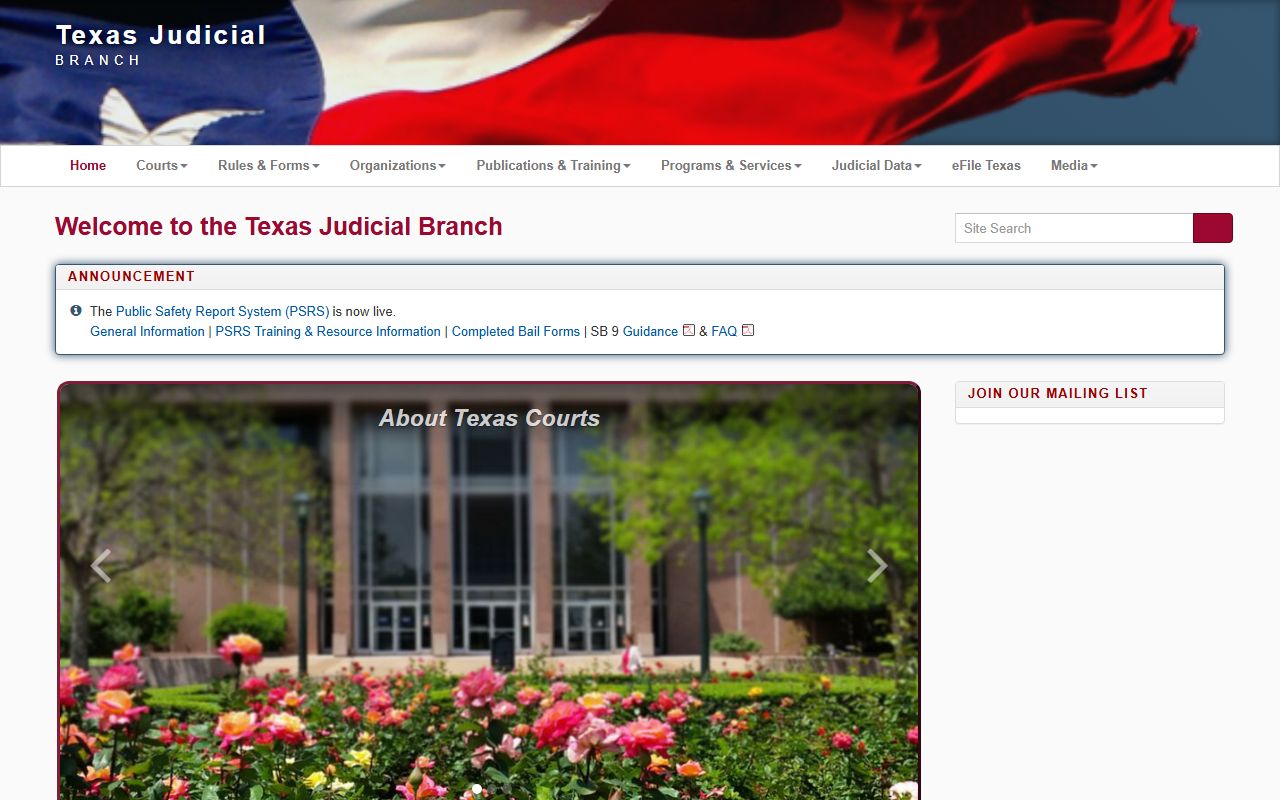
The Texas court system provides guidance on how to access divorce records across all 254 counties, including counties like Colorado that have limited online portals.
Divorce Filing Process in Colorado County
Filing for divorce in Colorado County follows Texas state law. The residency rule under Texas Family Code section 6.301 requires that at least one spouse has lived in Texas for six months and in Colorado County for at least 90 days. You must meet this requirement before filing. If you recently moved to the county, check the dates carefully before you file.
The most common ground for divorce in Texas is insupportability under Texas Family Code section 6.001. This is a no-fault ground that does not require proving anyone did something wrong. The marriage simply has to be so broken that there is no hope of reconciliation. Texas also allows fault-based divorces on grounds like cruelty, adultery, felony conviction, and abandonment, though these are less common.
After filing, Texas law requires a 60-day waiting period under Texas Family Code section 6.702. This period starts on the day the petition is filed. You cannot finalize the divorce before this time is up, even if both parties are in complete agreement. The only exception is for cases involving documented family violence. After the 60 days, an agreed divorce can move to a final hearing quickly if all paperwork is in order.
E-Filing: New civil case filings in Texas must go through eFileTexas.gov. This applies to divorce petitions in Colorado County. The system allows you to file documents and pay fees online.
What Colorado County Divorce Records Include
A divorce record from Colorado County typically includes several documents. The Final Decree of Divorce is the key document. It is the court order signed by the judge that ends the marriage and sets the terms. It covers property division under Texas Family Code Chapter 7 community property rules, any child conservatorship and possession terms, and support orders.
The rest of the case file contains the Original Petition for Divorce, proof that the other spouse was served, any motions or agreed orders filed during the case, and financial disclosures. If children are involved, child support is calculated using guidelines in Texas Family Code Chapter 154. All of these documents are stored at the District Clerk's office and are part of the permanent record.
Most divorce records in Colorado County are public. You do not have to be a party to the case to request a copy. Copy fees apply. Some documents may be sealed by court order, and records involving adoption, juvenile matters, or mental health are restricted. Ask the clerk if you are not sure whether a particular document can be released.
Legal Help in Colorado County
People going through divorce in Colorado County can get help from several sources. TexasLawHelp.org is a free online resource with guides, forms, and plain-language explanations of Texas divorce law. It covers everything from how to file the original petition to what to put in the final decree. Court forms are also available at txcourts.gov/rules-forms.
The State Bar of Texas offers a lawyer referral service at texasbar.com where you can search for attorneys who handle family law cases in the area. Lone Star Legal Aid and other regional legal aid organizations may help people who cannot afford a private attorney. The Texas State Law Library's divorce guide is another useful resource for understanding the process before you start.
Note: The District Clerk's office can tell you what documents to file and what the fees are, but they cannot give legal advice or help you decide what terms to put in your decree.
Cities in Colorado County
Colorado County is primarily rural. Columbus is the county seat and main community. No cities in Colorado County have a population large enough for a dedicated city page, but all divorce filings from the county go through the District Clerk in Columbus.
Nearby Counties
Colorado County is located between Houston and San Antonio in Southeast Texas. Neighboring counties include Austin County, Wharton County, Lavaca County, Fayette County, and Matagorda County. Each of these counties has its own District Clerk. File in the county where you or your spouse has lived for at least 90 days.